

Description
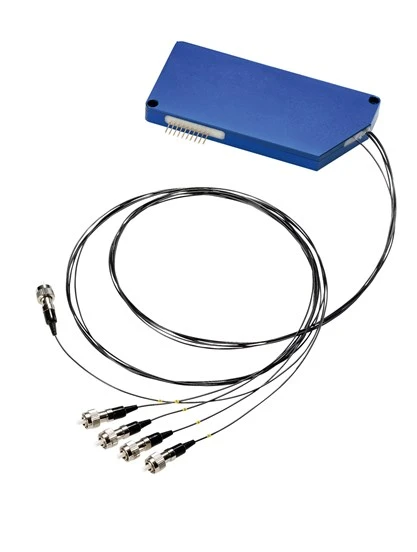
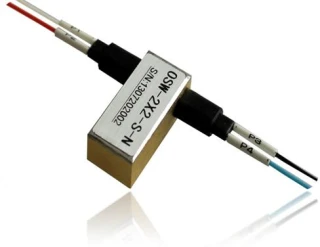
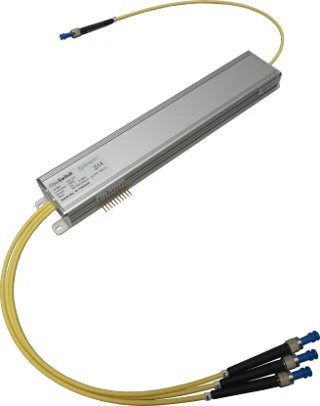
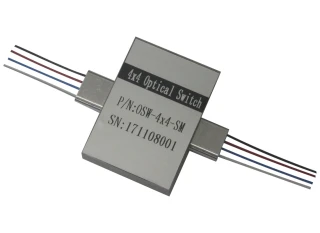
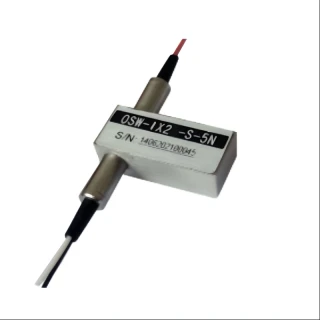
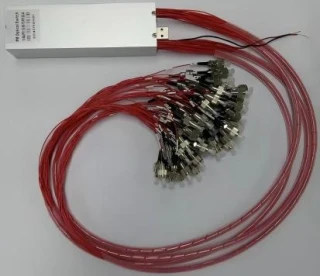
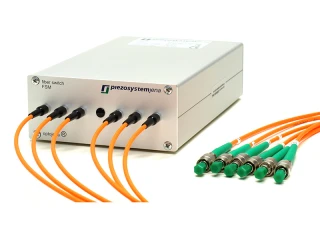
The WEINERT Singlemode Fiber Optic Switch is designed for high-performance optical signal routing in telecom, optical networking, photonics, and automated test applications. The switch provides reliable low-loss switching for singlemode fiber systems operating across a broad wavelength range, making it suitable for demanding laboratory, industrial, and communications environments.
Our fiber optical switches culminate with a unique, patented micro-mechanical and micro-optical design. They can be tailored for diverse applications, these switches offer outstanding performance, flexibility, and durability. Compatible with a wide wavelength spectrum from Ultraviolet to Infrared, and customizable with various fiber types.
Technical Advantages
The WEINERT Singlemode Fiber Optic Switch is designed for stable and repeatable optical signal routing with low insertion loss and high optical isolation. Its compact micro-mechanical architecture supports fast switching speeds and reliable long-term operation across demanding telecom, photonics, and industrial environments.
Singlemode Fiber Optic Switch for Optical Networking | WEINERT
Specifications
| Number Of Ports: | 1 – 16 |
|---|---|
| Wavelength Range: | 405 – 1650 nm |
| Insertion Loss (typical): | 1 dB |
| Return Loss: | 55 dB |
| Crosstalk: | ≥ 55 dB |
| Repeatability: | ≤ 0.01 dB |
| Switching Time: | ≤5 ms |
| Switching Frequency: | 0.001 ≤ f ≤ 50 Hz |
| Polarisation Dependent Loss: | ≤ 0.1 dB |
| Operating Temperature: | 0... +60 °C |
| Guaranteed Lifetime: | 1 billion cycles |
Got questions about specs? Use the inquiry form to ask.
 Download Data Sheet

Features
- Minimal insertion loss
- Consistent repeatability
- High optical isolation
- Broad spectral range coverage
- Rapid switching capabilities, as quick as 2.0ms
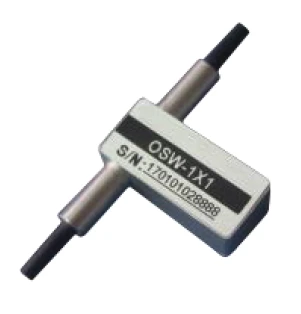
- Durable, compact metal construction
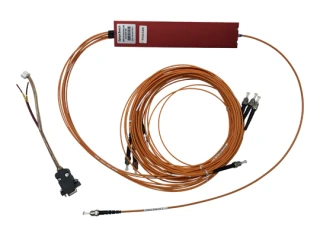
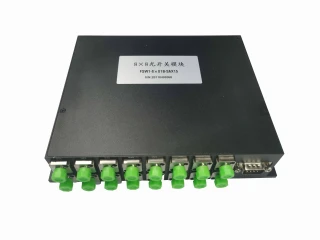
- Versatile housing options (compact with pigtails, table top, or 19" rack mounts)
- In-house optical connectorization
- Energy-efficient
- Integrated microcontroller with multiple electrical interfaces
Applications
- Optical Networking: Enables reliable optical signal routing and channel switching in fiber optic communication networks and telecom infrastructure.
- Telecom Systems: Supports signal management, protection switching, and network redundancy in high-speed telecommunications environments.
- Automated Fiber Optic Testing: Ideal for automated optical test systems used in fiber characterization, component validation, and production testing.
- Optical Signal Monitoring: Allows dynamic routing and monitoring of optical signals in laboratory and industrial photonics systems.
- Fiber Optic Sensing: Used in distributed sensing and monitoring applications requiring stable optical path switching between sensing channels.
- Data Center Optical Infrastructure: Supports flexible fiber routing and signal management in high-bandwidth optical interconnect architectures.
- Photonics Research Laboratories: Suitable for optical experiments, photonics prototyping, and laser-based laboratory setups requiring repeatable optical switching.
- Aerospace and Defense Optics: Can be integrated into rugged optical communication and sensing systems for aerospace and defense applications.
- Scientific Instrumentation: Used in spectroscopy, metrology, interferometry, and precision optical measurement systems
- Redundant Optical Routing: Enables backup optical path selection and failover switching for mission-critical optical communication systems.
Frequently Asked Questions
What is a singlemode fiber optic switch?
What are singlemode fiber optic switches used for?
Why is low insertion loss important in a fiber optic switch?
What industries use optical fiber switches?
What is the difference between singlemode and multimode fiber switches?
Got more questions? Use the RFQ form to ask the supplier directly.
Similar Products
Need pricing for this product? Send a quick inquiry
Your inquiry has been received.
Create an account by adding a password
Why create an account?
- Auto-complete inquiry forms
- View and manage all your past messages
- Save products to your favorites
- Close your account anytime — no hassle