
Imaging and Vision Components for Light Detection
Explore Imaging and Vision components for light detection, including cameras, image sensors, laser scanning and ranging, vision sensors, and display technologies. Compare specifications from multiple suppliers and source the right hardware for your optical and photonic systems.
Frequently Asked Questions
What is imaging and vision?
Imaging and vision refers to the use of technology and equipment to capture, analyze, and interpret visual information.
What types of imaging and vision equipment are available?
There are many types of imaging and vision equipment available, including cameras, microscopes, endoscopes, spectrometers, and various types of sensors.
What are the applications of imaging and vision technology?
Imaging and vision technology has many applications across various industries, including medicine, manufacturing, security, and scientific research.
What is the difference between imaging and vision?
Generally, Imaging refers to the process of capturing visual information, while vision refers to the interpretation and analysis of that information.
What is a microscope?
A microscope is an optical instrument used for viewing objects that are too small to be seen with the naked eye. It uses lenses or other optical systems to magnify the image of the object being viewed.
What is a spectrometer?
A spectrometer is an instrument used to measure properties of light over a specific portion of the electromagnetic spectrum. It can be used to analyze the composition of materials or the properties of light sources.
What is a sensor?
A sensor is a device that detects and responds to some type of input from the physical environment. In imaging and vision, sensors are used to capture and measure visual information.
What is computer vision?
Computer vision refers to the use of algorithms and machine learning to interpret and analyze visual information. This is used in various applications, such as facial recognition and object detection.
What is thermal imaging?
Thermal imaging is a type of imaging that uses infrared radiation to capture images of objects based on their temperature. This is used in various applications, such as medical diagnosis and industrial inspection.
What is hyperspectral imaging?
Hyperspectral imaging is a type of imaging that captures and analyzes light across a wide range of wavelengths. This is used in various applications, such as food quality control and environmental monitoring.
Imaging and Vision for Light Detection
The Imaging and Vision category on FindLight covers hardware for converting optical signals into actionable data. Here you will find components optimized for light detection, image formation, and visualization across research, industrial, and embedded applications. Products span from discrete image sensors to complete camera systems and display technologies.
Key Imaging and Vision Subcategories
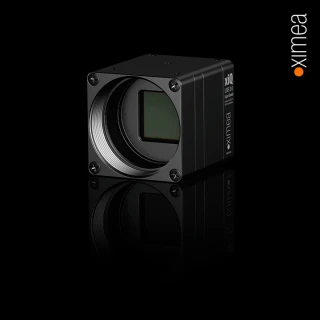
Cameras in this Imaging and Vision section include machine vision cameras, scientific cameras, and specialized units for low-light, high-speed, or hyperspectral operation. Typical parameters to evaluate are sensor type (CCD, CMOS, sCMOS), resolution, pixel size, frame rate, dynamic range, quantum efficiency, and available interfaces such as USB3, GigE, Camera Link, or CoaXPress.
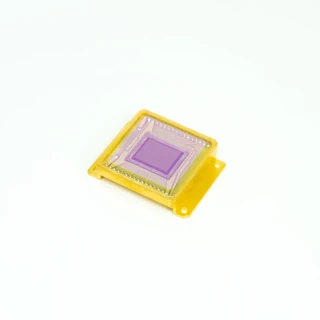
Image Sensors provide the core light detection function for custom designs. Options include linear and area arrays, CMOS and CCD sensors, and specialized devices with global or rolling shutters. When selecting image sensors, compare spectral response, full well capacity, dark current, read noise, fill factor, and packaging style to ensure proper integration into your Imaging and Vision assemblies.
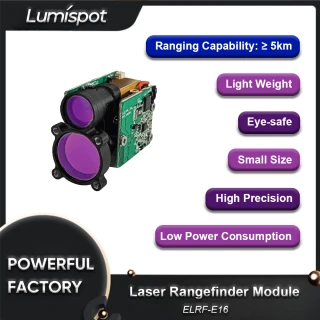
Laser Scanning and Ranging covers LiDAR units, time-of-flight modules, and scanning heads for distance measurement and 3D mapping. These Imaging and Vision devices combine light sources, receivers, and scanning optics. Key specifications include wavelength, measurement range, accuracy, beam divergence, scan field of view, refresh rate, and communication interface.
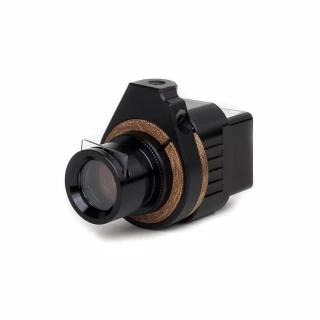
Vision Sensors are self-contained light detection modules with on-board processing for presence detection, part positioning, code reading, or simple pass/fail inspection. Compare image resolution, processing capabilities, integrated optics or C-mount support, IP rating, I/O options, and supported communication protocols when selecting vision sensors for your Imaging and Vision workflows.
Display Technologies in Imaging and Vision applications include projection engines, microdisplays, and related modules used for HMI, augmented reality, and optical test setups. Evaluate resolution, brightness, contrast ratio, refresh rate, response time, and supported input formats to match system requirements.
Buyer Guidance on FindLight
The Imaging and Vision category on FindLight aggregates around 176 products from approximately 32 suppliers, enabling side-by-side comparison of technical data for light detection and visualization tasks. Use the detailed parameter listings to narrow options by spectral range, sensitivity, speed, interface, and environmental ratings.
For complex Imaging and Vision requirements, you can request quotes or technical clarification directly from suppliers through FindLight. No registration is required to browse specifications, download datasheets when available, or initiate contact, helping you source the appropriate Imaging and Vision components efficiently for your next optical or photonic system.