
Medical and Dental Lasers for Clinical Applications
Frequently Asked Questions
What are medical and dental lasers, and how do they interact with tissue?
Medical and dental lasers are optical systems that deliver concentrated light at specific wavelengths to cut, ablate, coagulate, or biostimulate biological tissue. Their interaction with tissue depends on wavelength-dependent absorption in chromophores such as water, hemoglobin, and melanin, which determines penetration depth, thermal profile, and whether the effect is primarily ablative, coagulative, or photochemical.
What are the main types of medical and dental lasers and their typical clinical uses?
Common types include CO₂ lasers (10.6 µm) for soft-tissue cutting and ablation due to strong water absorption, Er:YAG/Er,Cr:YSGG lasers (~2.94 µm) for hard tissue and enamel removal, and diode lasers (typically 450–1470 nm) for soft-tissue surgery, periodontal therapy, and low-level laser therapy. Nd:YAG and Ho:YAG systems (near-IR and ~2.1 µm) are used for deeper coagulation, urology, and certain surgical procedures where controlled penetration is required.
What key laser operation modes and parameters are important in medical and dental applications?
Operation modes include continuous-wave (CW), pulsed, and Q-switched, each affecting peak power, thermal diffusion, and collateral damage. Critical parameters include average power, pulse duration and repetition rate, spot size, fluence (J/cm²), and beam delivery method (fiber, articulated arm, or handpiece optics), all of which define the energy density and temporal profile delivered to tissue.
Which specifications matter most when selecting a medical or dental laser for a given procedure?
Priority specs include wavelength (to match tissue absorption), output power or pulse energy (to achieve required ablation or coagulation rates), and pulse duration (to control thermal damage relative to tissue thermal relaxation time). Additional key parameters are beam quality (M²), fiber compatibility and core size, handpiece design, cooling method, and available presets or software control for procedure-specific protocols.
How should I compare different medical or dental laser systems on a technical level?
Compare systems by plotting their wavelength against target chromophore absorption, then checking whether their power, fluence range, and pulse parameters cover your intended procedures. Also evaluate duty cycle, beam homogeneity, energy stability, durability of fibers and handpieces, integration with imaging or guidance systems, and compliance with relevant medical standards (e.g., IEC 60601, laser safety classifications).
What factors influence lead time, customization, and pricing for medical and dental lasers?
Lead times are driven by system complexity, regulatory configuration (certified accessories, language and safety labeling), and availability of specific wavelengths or pump sources; typical ranges are from several weeks to a few months. Pricing is influenced by output power class, beam delivery architecture, integration of diagnostics or software, required certifications, and any custom optics, handpieces, or OEM integration work requested.
Overview of Medical and Dental Lasers
Medical and Dental Lasers on FindLight are light source systems engineered for controlled interaction with biological tissues in clinical and laboratory settings. These laser systems provide defined wavelengths, power levels, and temporal profiles suitable for cutting, ablation, coagulation, and photoactivation procedures. Buyers can source compact diode-based units, solid-state systems, and supporting accessories optimized for integration into medical devices, treatment consoles, and research platforms.
Photodynamic Therapy Lasers
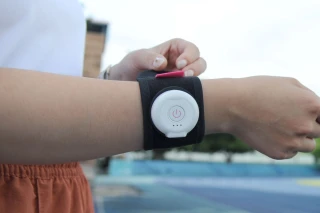
Within the Medical and Dental Lasers category, photodynamic therapy (PDT) systems are designed to activate photosensitizing agents at specific wavelengths, typically in the red or near-infrared spectral ranges. Key parameters include emission wavelength matched to the drug absorption band, output power or irradiance at the treatment site, beam homogeneity, and delivery geometry via fibers or handpieces. Select PDT systems may offer continuous-wave or modulated output, dose control (J/cm²), integrated timers, and safety interlocks compatible with clinical protocols.
When evaluating PDT-type medical and dental lasers, compare fiber compatibility (core size, NA, connector type), cooling method, electrical requirements, and available emission profiles. Attention to these factors helps ensure repeatable light dosing and efficient integration into existing clinical workflows or R&D setups.
Medical Laser Accessories
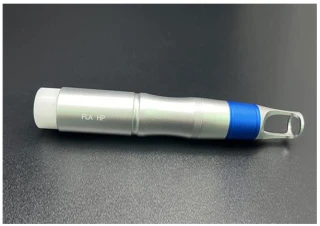
The Medical and Dental Lasers category also includes medical laser accessories that support beam delivery, control, and safety. Typical products include fiber optic delivery systems, handpieces, tips, focusing optics, beam combiners, and protective housings. Matching accessories to the primary laser source is essential: verify wavelength range, maximum power rating, numerical aperture, connector standards (e.g., SMA, FC/PC, proprietary), and sterilization compatibility.
For dental and surgical use, ergonomic handpieces and interchangeable tips influence clinical precision and workflow efficiency. In laboratory environments, modular optics and mounts facilitate alignment, beam shaping, and coupling into diagnostic or imaging systems.
Buyer Guidance on FindLight
When sourcing medical and dental lasers on FindLight, start by defining target wavelength, output power, beam delivery method, and regulatory environment for your application. Compare technical datasheets across multiple suppliers, focusing on optical performance, duty cycle, thermal management, and interface options. The platform allows you to request quotes directly from manufacturers or distributors without registration, enabling quick pricing and lead-time comparisons. Use the Medical and Dental Lasers subcategory filters, review available photodynamic therapy systems and medical laser accessories, and contact vendors with detailed application requirements to ensure technical compatibility and long-term service support.