
Fiber Optomechanics for Precision Light Transport

Frequently Asked Questions
What are fiber optomechanics, and how do they work?
Fiber optomechanics are devices used to manipulate optical fibers and their components. They include mounting devices, collimators, couplers, and more. These devices work by providing precise alignment and stability for optical fibers, ensuring optimal performance in a variety of applications.
What types of fiber optomechanics are available at FindLight.net?
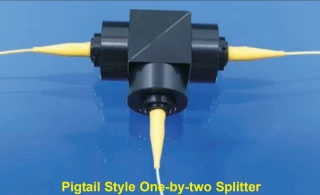
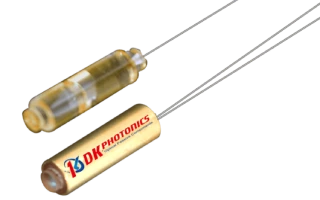
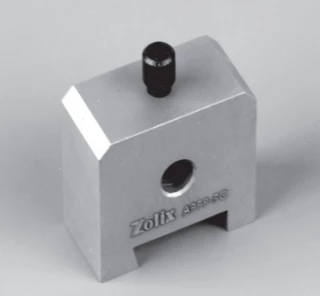
At FindLight.net, we offer a wide range of fiber optomechanics, including fiber mounting devices, collimators, couplers, splitters, terminators, and more. These products are designed to meet a variety of optical system design needs, and we are constantly updating our selection to include the latest and most innovative products from the leading suppliers.
How can I choose the right fiber optomechanics for my application?
Choosing the right fiber optomechanics depends on a variety of factors, including your specific optical system design needs and performance requirements. The team of experts from our suppliers can help guide you through the selection process and recommend the best products for your application. Additionally, we offer detailed product specifications and datasheets to help you make an informed decision.
Are these fiber optomechanics customizable?
Yes! Many of our suppliers offer customizable fiber optomechanics to meet your specific needs. Their team of engineers can work with you to design and manufacture custom solutions that meet your exact specifications.
What materials are fiber optomechanics made from, and how does this impact performance?
Fiber optomechanics are made from a variety of materials, including stainless steel, aluminum, and various plastics. The material selection depends on the product and its intended application. For example, stainless steel is often used for high-precision applications due to its strength and durability, while plastics may be used for less demanding applications where weight and cost are important factors.
What are the most sought after fiber optomechanics parts?
The most sought after fiber optomechanics parts include fiber collimators, couplers, terminators, connectors, and alignment stages. These parts are used to join, terminate, and align optical fibers and components in high-performance fiber optic systems for various applications, including telecommunications, sensing, and scientific research. Fiber collimators convert divergent light from a fiber optic cable into a parallel beam of light, while fiber couplers join two or more optical fibers to transmit light between them. Fiber terminators absorb excess light to prevent reflection and interference, and fiber connectors facilitate easy assembly and disassembly of fiber optic systems. Finally, fiber alignment stages precisely align optical components to ensure optimal performance and minimize losses due to misalignment.
Overview of Fiber Optomechanics
Fiber Optomechanics covers the mechanical and optomechanical components that route, split, combine, collimate, attenuate, and monitor light in fiber-based systems. These products support stable light transport in fiber lasers, sensing arrays, inertial navigation, telecom links, and lab test setups. On FindLight you can compare Fiber Optomechanics from multiple vendors and request quotes directly without registration.
Key Fiber Optomechanics Subcategories
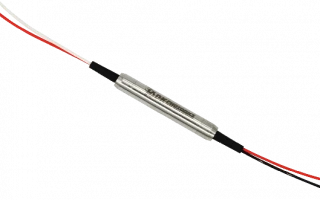
Beam splitters and combiners and fiber optic couplers control power distribution among channels, with options for defined split ratios, wavelength ranges, and polarization handling. Collimators convert divergent fiber output into free-space beams with specified numerical aperture, beam diameter, and working distance.
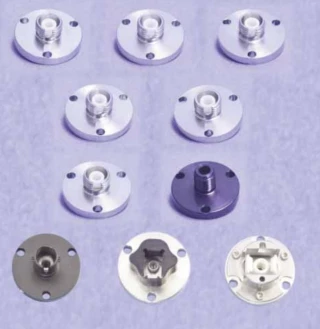
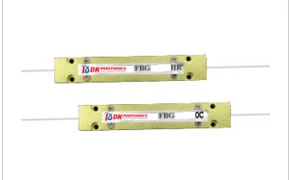
Fiber adapters and fiber alignment structures provide precise mating between connector types and ensure low-loss coupling to chips, lenses, or free-space optics. Fiber mirrors and fiber Bragg grating components enable cavity formation, wavelength selection, and distributed sensing.
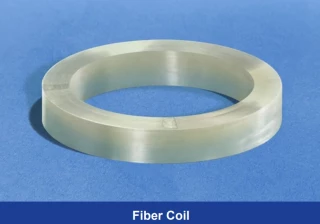
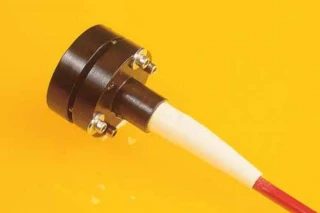
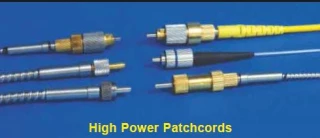
Fiber coils, fiber patch cords, and fiber probes are used to manage path length, connect subsystems, or deliver/collect light in confined geometries. Fiber tunable filters support adjustable passbands for telecom, spectroscopy, or sensing.
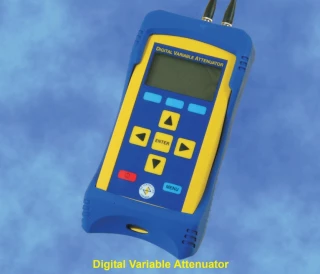
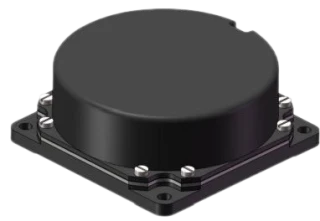
Fiber optic attenuators regulate optical power to protect receivers and optimize SNR. Power shutter and safety interlock modules help implement laser safety and system interlocks. For navigation, fiber optic gyroscopes and fiber optic inertial navigation systems offer rotation and motion sensing based on interferometric fiber coils. Transmitters and receivers interface fiber channels with electronic control systems.
Buyer Guidance on FindLight
When sourcing Fiber Optomechanics, compare specifications such as operating wavelength, insertion loss, return loss, polarization dependence, power handling, connector type, and environmental rating. Evaluate mechanical interfaces and packaging for compatibility with your fixtures and alignment strategy.
Use FindLight to filter Fiber Optomechanics by parameter, review datasheets, and benchmark options across multiple suppliers. You can request quotes or technical clarification directly from vendors; no user registration is required. This enables efficient selection of Fiber Optomechanics components that match your performance targets and integration constraints.