
Beam Characterization Tools for Laser Diagnostics
Frequently Asked Questions
What is beam characterization?
Beam characterization refers to the process of measuring and analyzing the properties of a laser beam, including its intensity, shape, size, and divergence.
Why is beam characterization important?
Accurate beam characterization is essential for optimizing laser system performance, ensuring product quality, and maintaining consistent results. It can also help with troubleshooting and diagnosing issues in laser systems.
What are some common beam characterization techniques?
Some common techniques for beam characterization include using beam profilers, power meters, energy meters, and spectrometers. Each technique offers unique insights into the properties of the laser beam.
How do I choose the right beam profiler for my application?
When selecting a beam profiler, it's important to consider factors such as beam size, wavelength range, sensitivity, and measurement speed. It's also important to choose a profiler that is compatible with your laser system and offers the necessary software and analysis tools.
Can beam characterization help improve my laser system's performance?
Yes, beam characterization can help identify areas for improvement in your laser system, such as optimizing beam quality, reducing beam divergence, and minimizing energy loss. By addressing these issues, you can improve your system's overall performance and efficiency.
What is the difference between beam profiling and beam shaping?
Beam profiling is the process of measuring the characteristics of a laser beam, while beam shaping is the process of manipulating the laser beam to achieve a desired shape or pattern.
What are the benefits of using a laser beam profiler?
Using a laser beam profiler can help improve the quality of laser-based processes by ensuring that the laser beam is properly characterized and optimized for the specific application.
Can beam profiling be performed in real-time?
Yes, many modern beam profiling systems are capable of real-time measurements, allowing users to monitor and adjust the laser beam characteristics as needed during a process.
Beam Characterization Instruments Overview
Beam Characterization products on FindLight provide quantitative analysis of laser and optical beams for R&D, manufacturing, and field diagnostics. These tools measure key parameters such as beam profile, spot size, M², divergence, wavefront quality, and pointing stability. Accurate Beam Characterization is essential for aligning optics, validating laser system performance, and maintaining process consistency.
Laser Beam Profilers
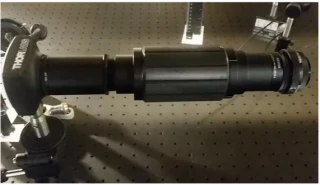
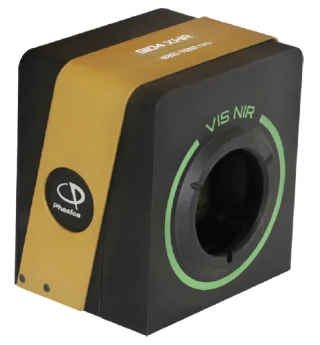
Laser beam profilers are 2D imaging systems that capture the spatial intensity distribution of a beam. Camera-based profilers use CCD or CMOS sensors with appropriate attenuation to characterize CW or pulsed lasers across UV, visible, and IR ranges. Typical specifications include sensor size, resolution, pixel pitch, dynamic range, maximum power density, supported wavelengths, and frame rate. These Beam Characterization tools are suited for detailed mode analysis, beam shaping verification, and real-time alignment.
Scanning Slit Beam Profilers
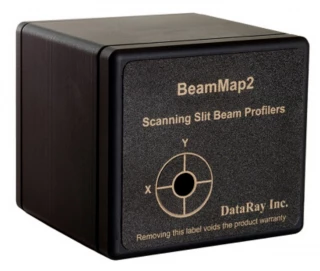
Scanning slit beam profilers use a moving slit and detector to reconstruct beam intensity profiles in one or two dimensions. They offer high dynamic range and excellent accuracy for measuring beam width and position, especially in tightly focused or high-power beams where cameras may saturate. Key parameters for Beam Characterization include slit width, scan speed, minimum measurable spot size, power handling, and repeatability.
Wavefront Sensors
Wavefront sensors measure optical aberrations and phase-front distortions that are not visible in intensity-only measurements. Shack-Hartmann wavefront sensors are commonly used for Beam Characterization of lasers, adaptive optics, and imaging systems. Important specifications include number of microlens sub-apertures, measurement accuracy (λ/xx), supported wavelength range, maximum wavefront slope, dynamic range, and frame rate.
Beam Profiler Accessories
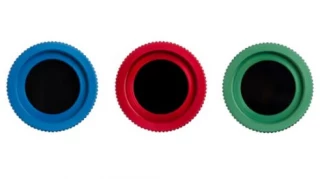
Beam profiler accessories support flexible and safe operation of Beam Characterization systems. They include neutral density filters, beam samplers, attenuators, telescopes, mounts, fiber adapters, and alignment tools. Matching accessories to your wavelength, power level, and beam diameter is critical for reliable measurements and sensor protection.
Buyer Guidance on FindLight
When sourcing Beam Characterization instruments, compare sensor type, wavelength range, aperture size, power handling, spatial resolution, temporal resolution, interface options, and supported software. Evaluate whether your application needs full 2D profiling, precise beam size metrics, or detailed wavefront data. On FindLight you can review multiple vendors, compare specifications and pricing, and request quotes directly from suppliers without registration, streamlining technical evaluations and procurement workflows.