
Description
Supplier of Stress Testing Instruments
In the intricate world of electronics manufacturing, ensuring the reliability and durability of printed circuit board assemblies (PCBAs) is paramount. As a leading supplier of stress testing instruments, we provide cutting-edge solutions for PCBA strain measurement. Our expertise in this domain helps manufacturers identify and mitigate potential failures caused by mechanical stress, safeguarding both the integrity of the product and the investments made in its development.
PCBA Strain Measurement Background
PCBAs undergo various stages of manufacturing and testing, including Surface Mount Technology (SMT) assembly, panel cutting, and mechanical assembly processes. During these stages, excessive mechanical stress can lead to several failure modes such as cracked solder balls, circuit damage, and warped pads. These failures not only result in material losses but also incur significant costs in terms of research and development, production, and quality assurance efforts.
Industry Standards and Guidelines
Recognizing the critical nature of strain measurement, global leaders like Intel, IBM, HP, and Apple have championed the establishment of industry standards. The IPC/JEDEC-9704A guideline, first issued in 2005 and revised in 2012, provides a comprehensive framework for conducting PCBA strain gage tests. This guideline has become an industry benchmark, offering systematic steps to identify defective assemblies and optimize test processes.
The Importance of Early Detection
Addressing potential strain-related issues during the design phase of PCBA can be remarkably cost-effective. The principle of "1-10-100" underscores this: a problem that costs one dollar to fix during design can escalate to ten dollars during manufacturing and a hundred dollars during production. Early detection and intervention are crucial in minimizing costs and enhancing product reliability.
Purpose of Strain Gage Testing
Strain gage testing is essential for several reasons. Solder joints, which are sensitive to strain, can experience warpage-induced deformation leading to fractures. As the industry moves towards lead-free materials and higher interconnect densities, the risk of damage from warpage increases. Moreover, incomplete cracking may not immediately result in PCBA failure, eluding functional tests. By effectively monitoring and controlling mechanical stresses, manufacturers can significantly reduce the incidence of defective products, ensuring higher quality for end customers.
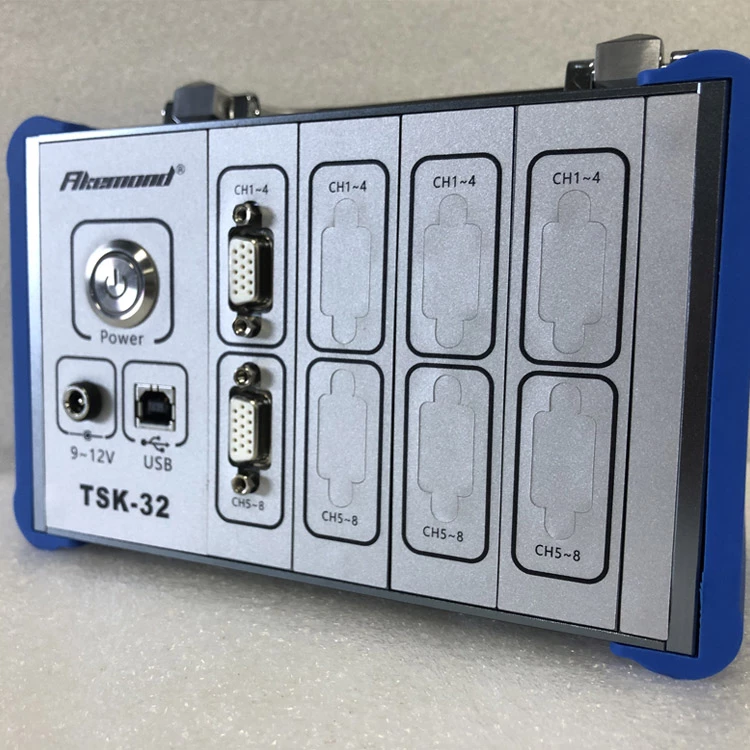
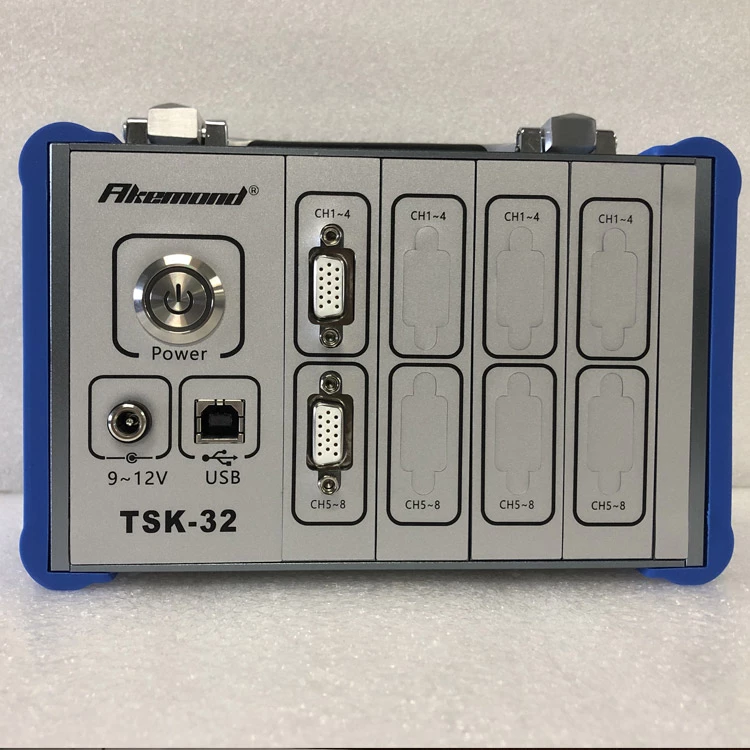
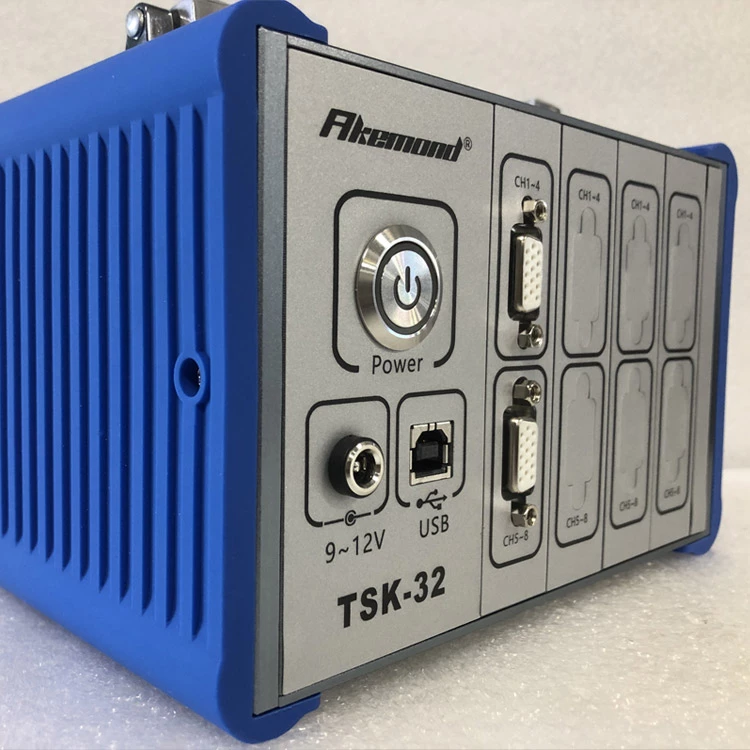
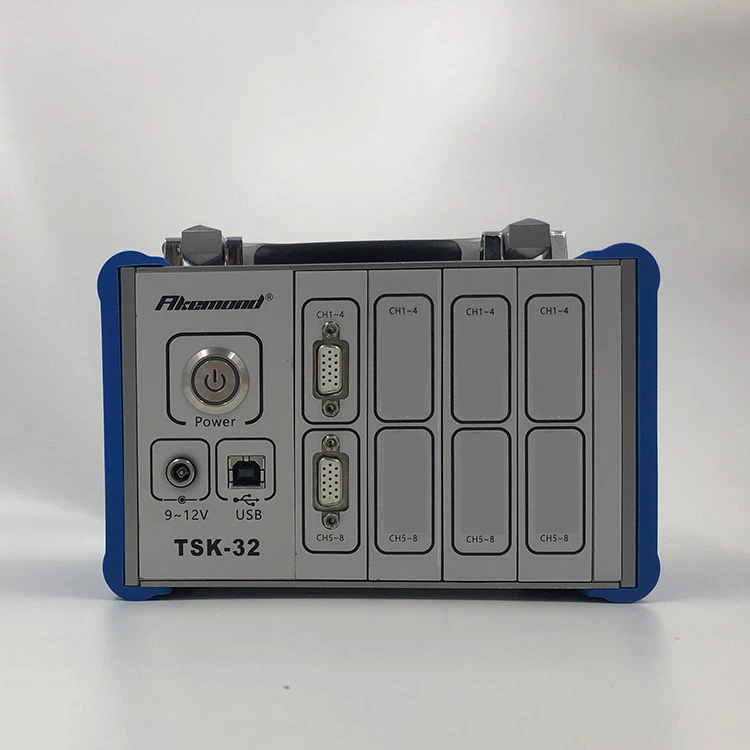
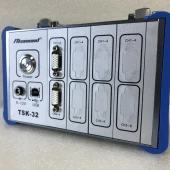
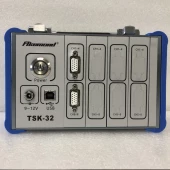
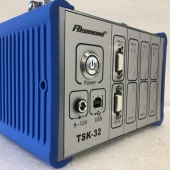
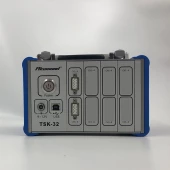
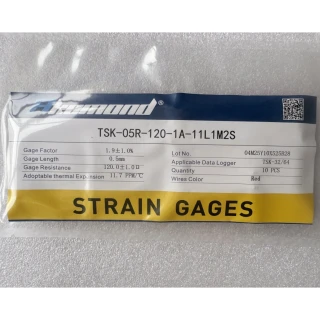
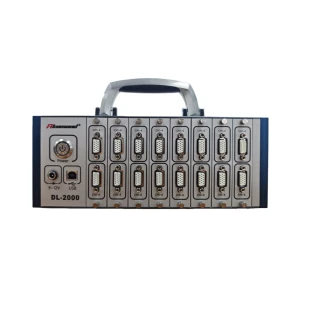
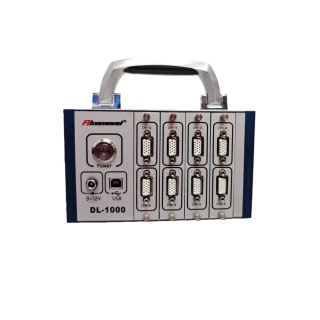
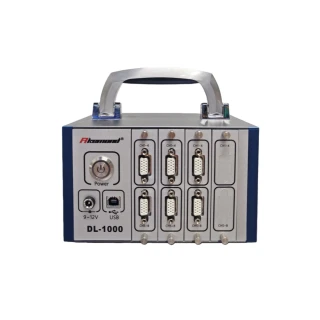
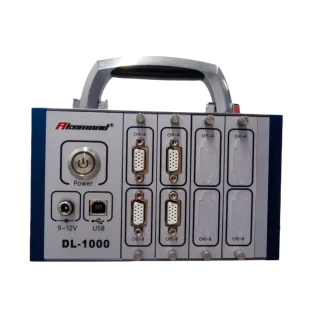
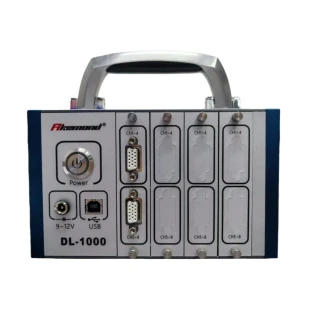
Veshay Akemond TSK-32-8C PCB Strain Measurement System for Depanelization
Specifications
| Device Funtion: | Data Logger |
|---|---|
| Measurement Range: | -55500 – 55500 uE |
| Accuracy: | -0.3 – 0.3 % |
| Stability: | 6 ppm/degC |
| Sampling Frequency: | 10 KHz (per channel) |
| Operational Temperature Range: | -40 – 70 degC |
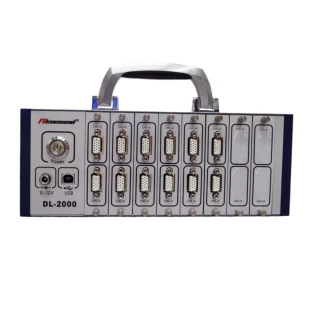
| Channels: | 8-channel strain signal input |
| Maximum Capacity Module: | 32 |
| Sampling Frequency: | Max10KHZ/per channel |
| AD Converter Resolution: | 24bits |
| Wheatstone Bridge Type: | 1/4 bridge |
| Accuracy Error: | 0.3% |
| Supports Strain Gauge Sensors: | 120Ohms/350ohmss |
| Nonlinear: | ±0.1%FS or less |
| Measurement Objects: | Strain gauges |
| Measurement Range: | 士55500uE |
| Sampling Method: | simultaneous sampling of all Channel |
| Operation Temperature:: | -40℃℃ to 70℃ |
Got questions about specs? Use the inquiry form to ask.
 Download Data Sheet

Features
Akemond TSK Series PCB Strain Measurement System Features:
- In accordance IPC-JEDEC 9704
- Light and easy to carry, impact resistance, more convenience for the users in different situation
- 120 and 350 ohm bridge circuit is directly connected with strain gauge
- High speed USB interface, 100% synchronous measurement of strain signal
- 50000Hz ultra high speed sampling rate and the resolution of the 24bits
- Single - report output function, greatly enhance the work efficiency
- English, Simplified, Traditional Operation Language
- Professional Diagonal Strain, Max/Min Principal strain Strain Rate etc. analysis.
Applications
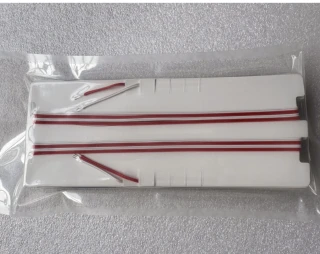
Strain testing allows objective analysis of the strain and strain rate levels that a SMT package is subjected to during PWB assembly, test and operation.The PCB Strain Measurement System is special design for printed wiring board strain testing application, The real-time data provided by the Veshay system avoid the risk such failures include solder ball cracking, trace damage, pad lifting and substrate cracking during board manufacturing and test processes.
Frequently Asked Questions
What is the purpose of PCBA strain measurement?
What are some common failure modes due to mechanical stress in PCBAs?
Why is strain gage testing important in the design and manufacturing phases?
What standards are associated with PCBA strain gage testing?
How does mechanical stress affect solder joints?
What industries or companies promote PCBA strain measurement standards?
What is the '1-10-100' rule mentioned in the context of PCBA measurement?
Got more questions? Use the inquiry form to ask the supplier directly.
Similar Products
Your inquiry has been received.
Create an account by adding a password
Why create an account?
- Auto-complete inquiry forms
- View and manage all your past messages
- Save products to your favorites
- Close your account anytime — no hassle