

Description
Supplier of Stress Testing Instruments
In the intricate world of electronics manufacturing, ensuring the reliability and durability of Printed Circuit Board Assemblies (PCBA) is paramount. As a leading supplier of stress testing instruments, we provide comprehensive solutions for PCBA strain measurement. Our offerings are designed to meet the rigorous demands of modern electronics production, where precision and accuracy are crucial.
PCBA Strain Measurement: An Essential Insight
PCBA strain measurement is a critical process that helps manufacturers identify potential failure points in circuit assemblies. During various stages such as Surface Mount Technology (SMT) assembly, panel cutting, and manual operations, PCBAs are subjected to mechanical stresses that can lead to defects. These defects, including cracked solder balls and circuit damage, can compromise the integrity of the assembly. By implementing strain measurement, manufacturers can detect these issues early, reducing material costs and safeguarding investments in research and development.
Industry Standards and Guidelines
The importance of PCBA strain measurement has been recognized globally, with standards established by leading organizations such as IPC and JEDEC. The IPC/JEDEC-9704A guideline serves as an industry benchmark, providing systematic steps for conducting PCBA strain tests. This guideline, supported by major manufacturers like Intel and Apple, underscores the necessity of strain measurement in maintaining high-quality production standards.
The Cost-Effectiveness of Early Detection
Addressing potential strain issues during the design phase of PCBA can be remarkably cost-effective. The principle of "1-10-100" highlights that resolving a problem early can cost as little as one dollar, whereas the same issue can escalate to ten dollars during manufacturing and a hundred dollars during production. This exponential increase in cost emphasizes the value of early detection and intervention, making PCBA strain measurement an indispensable tool in the electronics manufacturing process.
Purpose of Strain Gage Testing
Strain gage testing is vital for identifying stress-induced deformations that can lead to fractures in solder joints. As the industry shifts towards lead-free materials and higher interconnect densities, the risk of damage from warpage increases. Strain gage testing helps manufacturers monitor and control these mechanical stresses, ensuring that incomplete cracking does not go undetected. By effectively managing these stresses, manufacturers can significantly reduce the incidence of defective products reaching end customers, thereby enhancing product reliability and customer satisfaction.
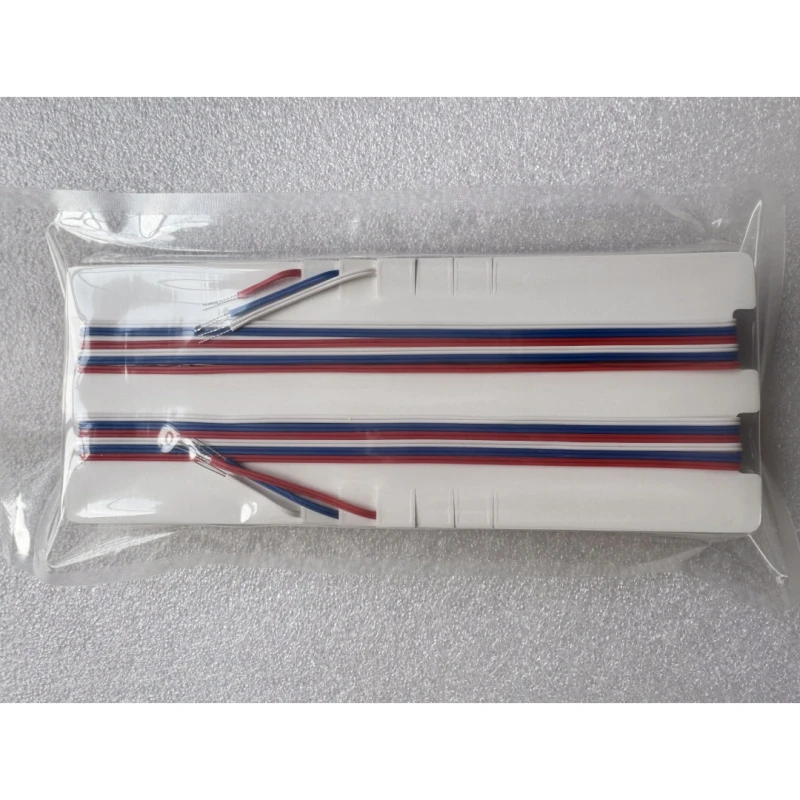
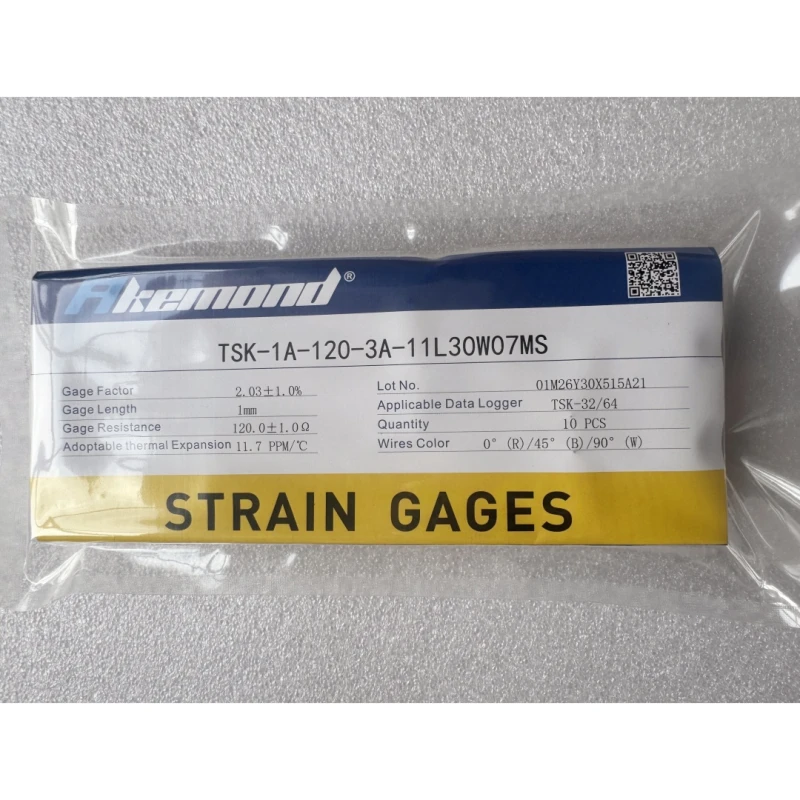
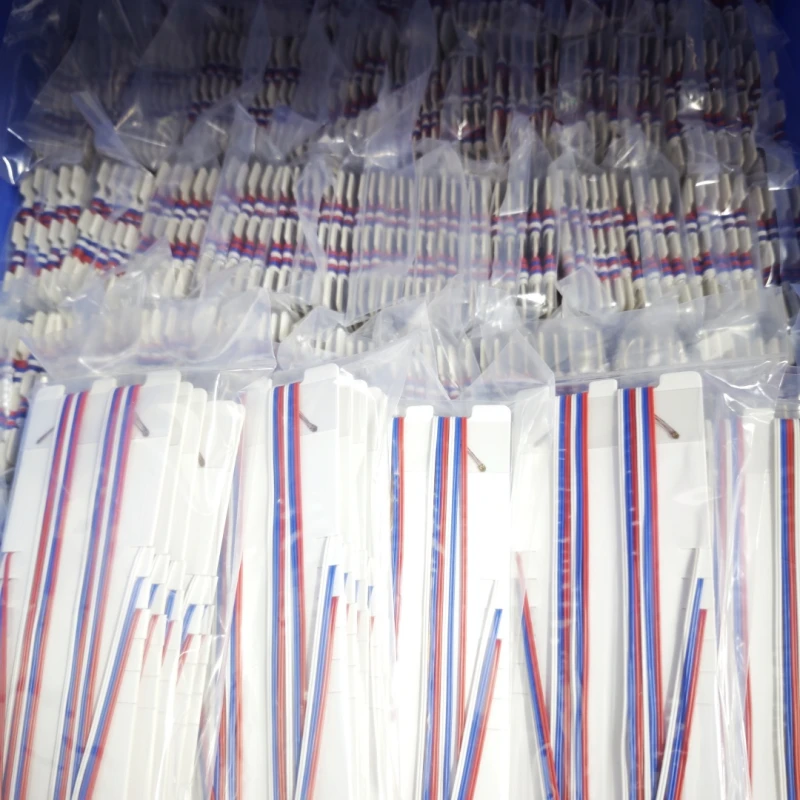
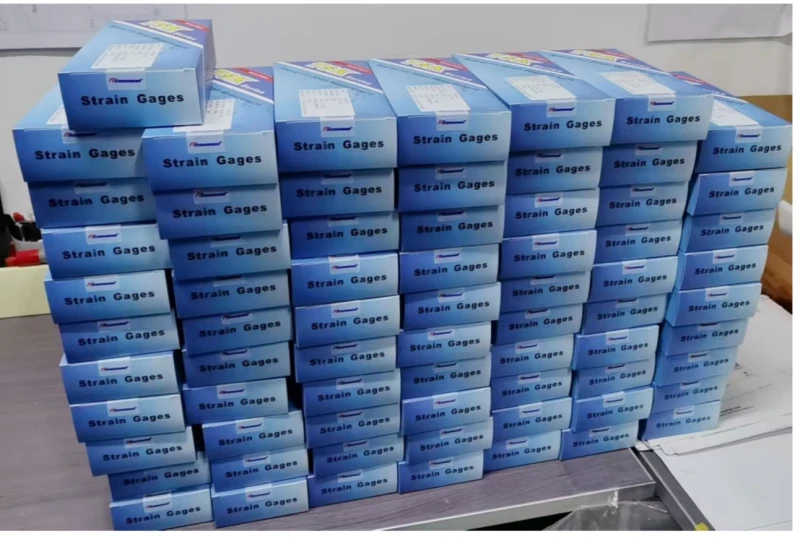
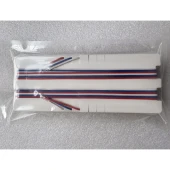
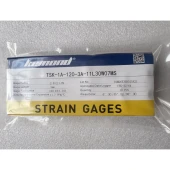
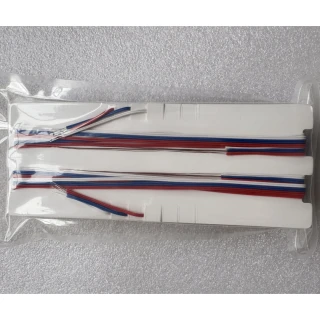
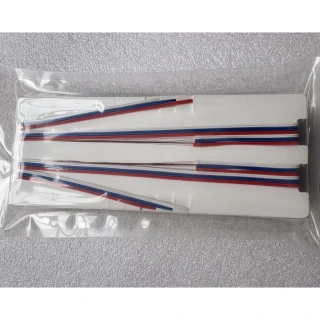
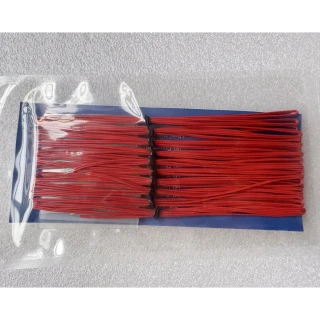
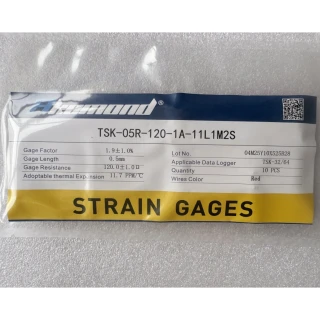
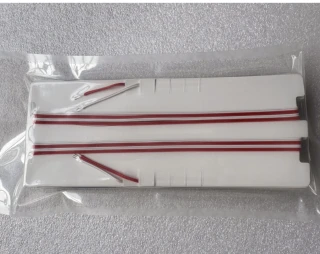
Triaxial Strain Gage TSK-1A-120-3A-11L30W07MS PCB Stress Analyzer for ICT FCT
Specifications
| Device Funtion: | Strain Gauge |
|---|---|
| Measurement Range: | -55500 – 55500 uE |
| Accuracy: | -0.3 – 0.3 % |
| Stability: | 6 ppm/degC |
| Sampling Frequency: | 10 KHz (per channel) |
| Operational Temperature Range: | -40 – 70 degC |
| Gauge Type: | Triaxial |
| Impedance: | 120 Ohm |
| Grid Legth: | 1.1 x 1.0 mm |
| Base Size: | 5 mm |
| Insulated Wire: | 30 cm |
| Extension Wire: | 70 cm |
Got questions about specs? Use the inquiry form to ask.
 Download Data Sheet

Features
- Comprehensive PCBA Strain Measurement Solution – Dedicated provider of stress testing instruments and complete PCB/PCBA strain gage measurement systems, covering design validation, process optimization, and reliability assessment in one integrated platform.
- Fully Compliant with IPC/JEDEC-9704A – Measurement methodology and reporting aligned with the industry benchmark standard IPC/JEDEC‑9704A Printed Circuit Assembly Strain Gage Test Guideline, helping users meet OEM, EMS, and regulatory requirements.
- Trusted by Leading Global Manufacturers – Solution concept and practices consistent with those promoted by major electronics manufacturers (e.g., Intel, IBM, HP, Apple), supporting qualification in high‑reliability applications such as servers, telecom, automotive, and consumer electronics.
- Early Detection of Mechanical Stress Issues – Identifies strain‑induced risks such as cracked solder balls, Y‑cracks, 45° cracks, pad lifting, substrate cracking, and circuit damage before they lead to field failures or costly rework.
- 1–10–100 Cost Saving Rule Support – Enables detection of mechanical design and process issues at the design and NPI stages, where a problem may cost “1 unit” to fix, compared to “10 units” in manufacturing and “100 units” in mass production and in‑field returns.
- Wide Coverage of PCB/PCBA Processes – Designed to monitor strain throughout the entire assembly flow, including:
- SMT assembly (reflow, pick‑and‑place, depanelization)
- DIP / wave soldering and selective soldering
- Panel cutting and depaneling (V‑scoring, routing, punching)
- Manual assembly and handling operations
- Rework and repair processes
- Connector and mechanical hardware installation
- Optimized for Test and Verification Stages – Quantifies strain introduced during:
- ICT (In‑Circuit Test)
- FCT (Functional Circuit Test) and equivalent functional tests
- Burn‑in, reliability and environmental tests
- Mechanical assembly and system integration
- Mechanical Assembly Strain Analysis – Measures deformation during:
- Heat sink mounting and torque application
- PCI, PCIe, and daughterboard installation
- DIMM (Dual In‑line Memory Module) insertion
- Enclosure fastening, bracket mounting, and chassis assembly
- Strain Gage–Based High‑Accuracy Measurements – Uses bonded strain gages and precision instrumentation to capture real‑time strain data on critical PCB areas, enabling quantitative evaluation of bending, warpage, and localized mechanical stress.
- Supports Lead‑Free and High‑Density Designs – Tailored to modern PCBs using lead‑free laminates and high‑density interconnects (HDI), where thinner boards, larger BGAs, and fine‑pitch devices are more susceptible to warpage‑related damage.
- Detection of Latent and Intermittent Faults – Identifies incomplete cracks and marginal solder joints that may pass functional tests initially but are prone to failure under vibration, temperature cycling, or extended use.
- Systematic, Repeatable Test Procedures – Provides structured workflows for sensor placement, loading scenarios, data acquisition, and acceptance criteria, improving repeatability and correlation across design, manufacturing, and customer sites.
- Process Characterization and Optimization – Enables side‑by‑side comparison of different fixturing methods, assembly conditions, and tooling to minimize board strain during production and testing.
- Root Cause Analysis of Field Failures – Supports forensic engineering by correlating observed cracks or intermittent behaviors back to specific manufacturing or test steps that introduced excessive mechanical stress.
- Design for Reliability (DfR) and Design for Manufacturability (DfM) – Helps engineers refine PCB stack‑ups, component placement, panelization, tooling holes, and keep‑out zones with quantified strain data to improve robustness.
- Supports Intel and Industry Strain Limits – Aligns with major OEM recommended strain thresholds (e.g., Intel guidance) to ensure that assembly and test processes remain within safe mechanical limits for BGA, CSP, and other sensitive components.
- Enhanced Customer and End‑User Quality – By controlling strain across the production chain, manufacturers can significantly reduce latent defects, RMAs, and warranty returns, improving customer satisfaction and brand reputation.
Applications
Applications of PCBA Strain Measurement Solutions
PCBA strain measurement systems are critical stress testing instruments used to detect, quantify, and control mechanical strain on printed circuit boards and assemblies throughout the entire electronics manufacturing lifecycle. By complying with industry standards such as IPC/JEDEC-9704A Printed Circuit Assembly Strain Gage Test Guideline, these solutions help prevent solder joint fractures, pad lifting, substrate cracking, and latent reliability failures.
1. SMT (Surface Mount Technology) Assembly Process Optimization
- Pick-and-place and reflow profiling – Evaluate mechanical strain on BGAs, CSPs, QFNs, and fine-pitch components during board handling and thermal cycling.
- Stencil printing and component placement – Monitor PCB deflection from squeegee pressure or head placement forces that may cause pad warpage and micro-cracks.
- Reflow and cooling stages – Analyze strain induced by thermal gradients and rapid cooling, especially on large and high-layer-count PCBs.
- Lead-free process validation – Verify that new alloys and laminates do not introduce excessive warpage or hidden solder fatigue.
2. Through-Hole and Wave Soldering (DIP) Stress Evaluation
- Wave solder support design – Optimize pallet and carrier design to keep PCB bending within IPC/JEDEC-9704A strain limits.
- Preheat and wave immersion – Measure strain from uneven heating and conveyor support during wave soldering of connectors and large through-hole parts.
- Selective soldering impact – Control localized strain near high-mass components and dense connector fields.
3. Panelization, Depanelization, and Board Cutting
- V-score and tab-routing optimization – Determine safe scoring depth, tab location, and panel layout to minimize board flex during separation.
- Depanelization method comparison – Quantify strain from manual snapping, pizza cutter, punch, and router depaneling to select the least damaging method.
- Fixture and support design – Ensure proper support under critical components (BGA, LGA, PoP, large ceramic capacitors) during cutting operations.
4. Manual Handling, Rework, and Repair Processes
- Hand bending and flexing control – Measure how much strain is introduced by manual insertion, twisting, or lifting of boards by operators.
- Local heating during rework – Assess mechanical and thermal strain during hot-air, IR, or reflow-oven based BGA/CSP rework.
- Component removal and replacement – Prevent pad lifting, trace cracking, and solder joint damage when removing connectors, cables, and high-pin-count ICs.
- ESD and inspection handling – Validate standard operating procedures (SOPs) to avoid flexing sensitive assemblies during visual or AOI re-inspection.
5. Connector and High-Force Component Installation
- Press-fit connector insertion – Monitor PCB strain under high insertion forces of backplane, midplane, and power connectors.
- High-density board-to-board connectors – Verify that mating/unmating operations do not overstress solder joints or laminate.
- Coaxial, RF, and high-speed connectors – Protect fragile pads and microstrip/stripline structures from mechanical damage.
- Pluggable modules and cages – Evaluate stress when inserting/removing SFP, QSFP, and other high-speed modules with mechanical retention.
6. ICT, FCT, and In‑Circuit/Functional Test Stages
- Bed-of-nails fixture design – Measure board bending caused by probe forces and clamping mechanisms in ICT and FCT fixtures.
- Functional test operation – Control strain when connectors, switches, or mechanical interfaces are actuated during testing.
- Flying probe and boundary-scan comparison – Quantify strain reductions when moving from mechanical probing to less intrusive test methods.
- Correlation to electrical failures – Link intermittent test failures to excessive mechanical strain on specific components or regions.
7. Mechanical Assembly and System Integration
- Heat sink and thermal solution assembly – Validate clamping forces, screw torque, and spring loads on CPUs, GPUs, and power devices to avoid PCB bow and die cracking.
Frequently Asked Questions
What is PCBA strain measurement and why is it important in electronics manufacturing?
Which manufacturing processes require PCBA strain gage testing according to IPC/JEDEC‑9704A?
How is PCBA strain measured using strain gages and what standards apply?
What types of failures can PCBA strain testing prevent?
What is the cost benefit of implementing PCBA strain measurement early in the design phase?
Which industries and products typically use PCBA strain measurement solutions?
How does PCBA strain testing complement ICT, FCT, and other electrical tests?
Got more questions? Use the inquiry form to ask the supplier directly.
Similar Products
Your inquiry has been received.
Create an account by adding a password
Why create an account?
- Auto-complete inquiry forms
- View and manage all your past messages
- Save products to your favorites
- Close your account anytime — no hassle