

Description
Supplier of Stress Testing Instruments
As a leading supplier of stress testing instruments, we specialize in providing comprehensive solutions for PCBA strain measurement. Our expertise in this field ensures that manufacturers can effectively monitor and control mechanical stresses during various stages of production, thereby reducing the risk of product failure and enhancing overall reliability.
PCBA Strain Measurement Background
Printed Circuit Board Assemblies (PCBAs) are subjected to various stages of Surface Mount Technology (SMT), Dual In-line Package (DIP) assembly, and reliability testing. During these processes, excessive mechanical stress can lead to several failure modes, including cracked solder balls, circuit damage, warped pads, and cracked substrates. Such failures not only result in material loss but also incur significant costs in research and development, production, and joint investigations.
Industry Standards and Guidelines
Under the active promotion of global manufacturers like Intel, IBM, HP, and Apple, PCBA strain measurement has become a standardized practice as per IPC and JEDEC guidelines. The IPC/JEDEC-9704A guideline, issued in 2005 and revised in 2012, provides systematic steps to perform PCBA strain testing. This guideline helps identify defective assembly and test processes, setting a benchmark for the industry.
Importance of Early Detection
Addressing strain-related issues during the design phase of PCBA can be significantly cost-effective. The cost of resolving a problem increases exponentially if discovered later in the manufacturing or production stages. This 1-10-100 rule highlights the importance of early detection and intervention, making PCBA measurement a crucial aspect of the production process.
Purpose of Strain Gage Testing
Strain gage testing is essential because solder joints are particularly sensitive to strain, which can lead to warpage and fracture mechanisms. With the widespread application of lead-free PCB laminate materials and increased interconnect density, the risk of damage due to warpage has risen. Incomplete cracking may not cause immediate PCBA failure and might not be detected by functional tests. By effectively monitoring mechanical stresses, manufacturers can reduce defective products, ensuring higher quality for end customers.
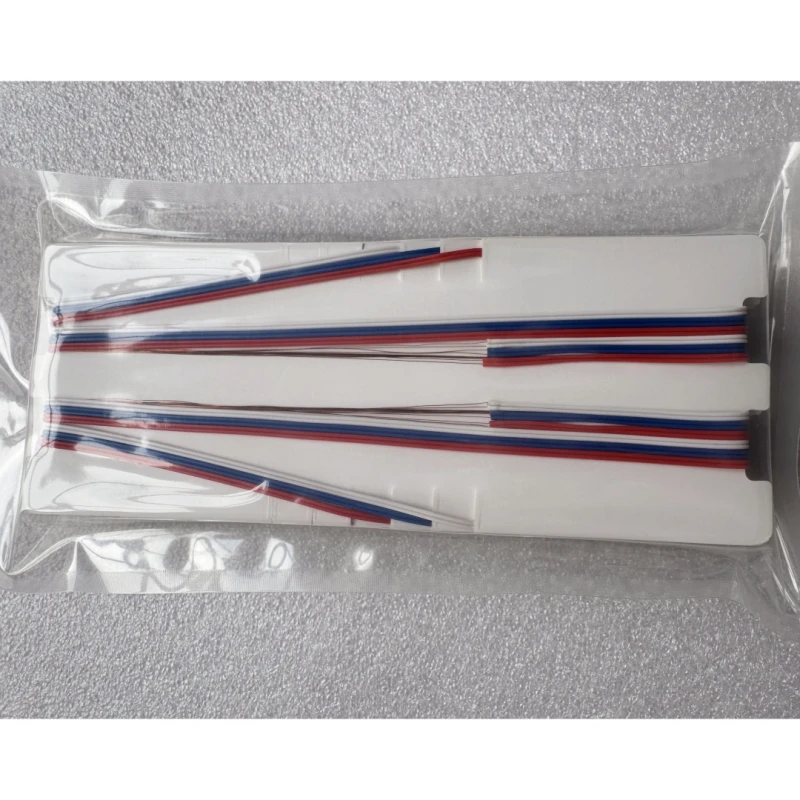
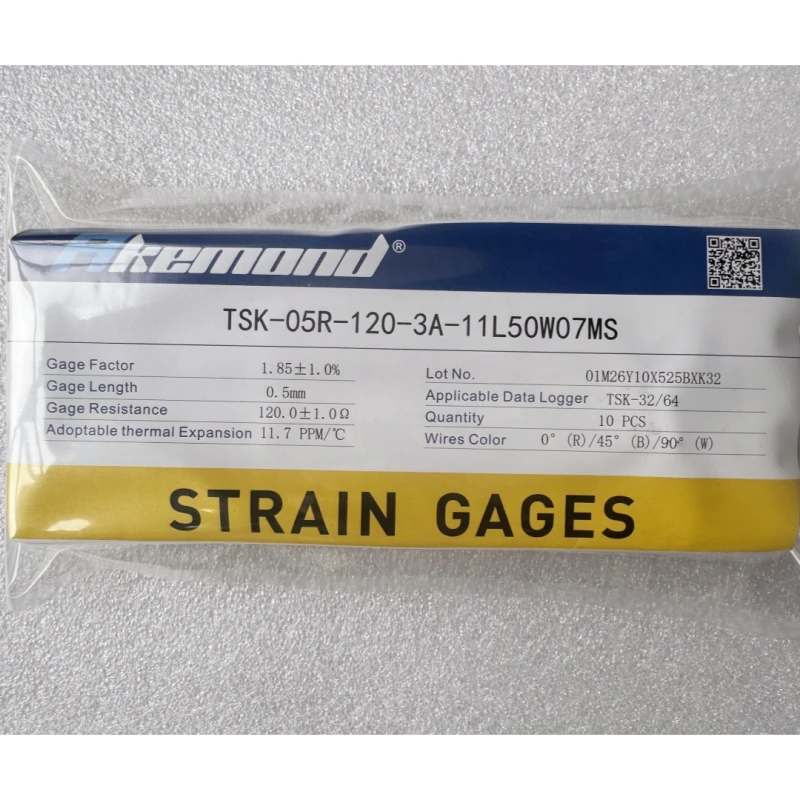
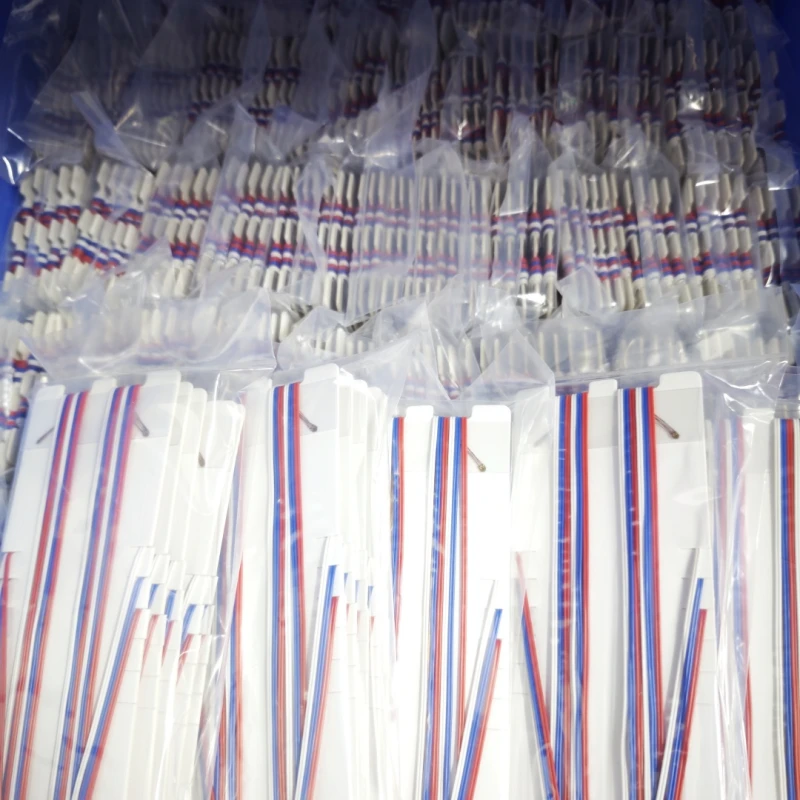
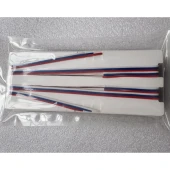
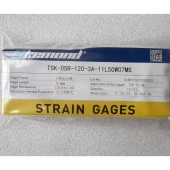
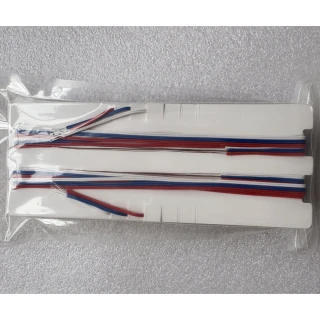
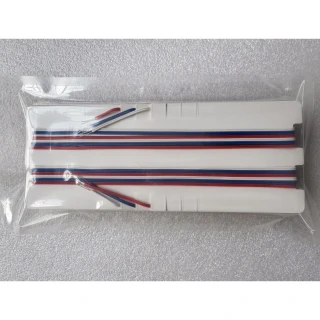
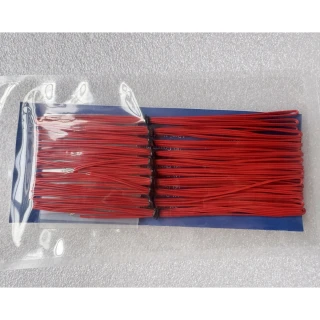
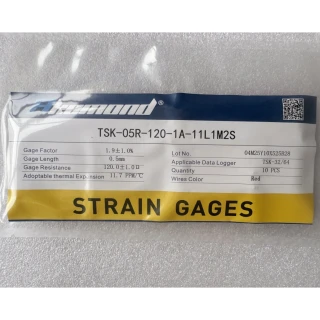
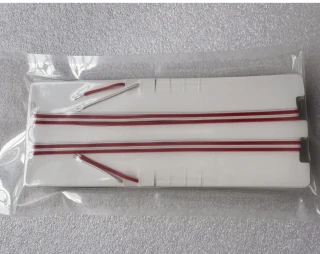
TSK-05R-120-3A-11L50W07MS PCB Stress Sensor TSK-05R-120-3A-11L50W3MS
Specifications
| Device Funtion: | Strain Gauge |
|---|---|
| Measurement Range: | -55500 – 55500 uE |
| Accuracy: | -0.3 – 0.3 % |
| Stability: | 6 ppm/degC |
| Sampling Frequency: | 10 KHz (per channel) |
| Operational Temperature Range: | -40 – 70 degC |
| Gauge Type: | Triaxial |
| Impedance: | 120 Ohm |
| Grid Length: | 0.5 x 0.5 mm |
| Base Size: | 1.5 x 1.5mm |
| Insulated Wire: | 50 cm |
| Extension Wire: | 70 cm |
Got questions about specs? Use the inquiry form to ask.
 Download Data Sheet

Features
- Comprehensive Stress Testing Instruments: Our product is a leading solution for PCBA strain measurement, designed to meet the diverse needs of the electronics manufacturing industry.
- PCBA Strain Measurement Expertise: We provide a complete solution for measuring strain on printed circuit board assemblies (PCBAs), ensuring reliability and durability.
- Industry Standards Compliance: Our strain measurement solutions adhere to the IPC/JEDEC-9704A guidelines, a benchmark in the industry established by global leaders like Intel, IBM, HP, and Apple.
- Application Versatility: Suitable for various processes including SMT assembly, panel cutting, manual operations, rework and repair, connector installation, and PCB testing.
- Failure Prevention: Identifies potential issues such as cracked solder balls, circuit damage, and substrate cracks, preventing costly failures and ensuring product integrity.
- Cost-Effective Solution: Addressing strain issues early in the design phase can save significant costs compared to addressing them during manufacturing or production.
- Enhanced Product Reliability: By monitoring and controlling mechanical stresses, manufacturers can reduce defective products and enhance the reliability of their offerings.
- Advanced Measurement Techniques: Our solution provides systematic steps for performing PCBA strain testing, helping identify defective assembly and test processes.
- Proven Track Record: Originally issued in 2005 and revised in 2012, our guidelines have been instrumental in setting industry standards for strain measurement.
Applications
- Typical Processing Needs Strain Measurement:
- SMT Assembly
- Panel Cutting
- Manual Operation
- All Rework and Repair Process
- Connector Installation
- PCB Testing
- ICT, FCT, or Equivalent Functional Test
- Mechanical Assembly:
- Heat Sink Assembly
- PCI or Daughterboard Installation
- DIMM (Dual In-line Memory Module) Installation
- Common Modes of Failure Due to Mechanical Stress:
- Cracked Solder Balls
- Circuit Damage
- Warped Pads
- Cracked Substrates
- Capacitor Y-Cracks and 45° Cracks
- PCBA Strain Gage Test Guideline:
- Issued by IPC and JEDEC in 2005
- Revised Version A in 2012
- Identify Defective Assembly and Test Processing
- Provide Systematic Steps to Perform PCBA Strain Testing
- Measurement Purpose:
- Solder Joints are Sensitive to Strain
- Lead-Free PCB Laminate Materials Increase Warpage Damage
- Incomplete Cracking May Not Cause Instant PCBA Failure
- Monitoring and Controlling Mechanical Stresses Reduces Defective Products
Frequently Asked Questions
What is the purpose of PCBA strain measurement?
What are some common failure modes due to mechanical stress in PCBAs?
Why is strain gage testing important for PCBAs?
What are the industry standards for PCBA strain measurement?
How does the cost of addressing PCBA issues change over time?
What processes typically require strain measurement?
Who are some of the global manufacturers promoting PCBA strain measurement standards?
Got more questions? Use the RFQ form to ask the supplier directly.
Similar Products
Need pricing for this product? Send a quick inquiry
Your inquiry has been received.
Create an account by adding a password
Why create an account?
- Auto-complete inquiry forms
- View and manage all your past messages
- Save products to your favorites
- Close your account anytime — no hassle