
Description
Supplier of Stress Testing Instruments
In the intricate world of electronics manufacturing, ensuring the reliability and durability of printed circuit board assemblies (PCBAs) is paramount. As a leading supplier of stress testing instruments, we provide comprehensive solutions for PCBA strain measurement, a critical aspect of maintaining the integrity of electronic components throughout their lifecycle.
PCBA Strain Measurement Background
During various stages of Surface Mount Technology (SMT), Dual In-line Package (DIP) assembly, and reliability testing, PCBAs are subjected to mechanical stresses that can lead to failure. Common failure modes include cracked solder balls, circuit damage, warped pads, and substrate cracks. These failures not only result in material losses but also incur significant costs in research and development, production, and troubleshooting. As global manufacturers like Intel, IBM, HP, and Apple have recognized, adhering to industry standards such as IPC/JEDEC-9704A is essential for mitigating these risks.
PCBA Strain Gage Test: An Industry Benchmark
The Printed Circuit Assembly Strain Gage Test, guided by IPC/JEDEC-9704A, has become an industry benchmark since its initial release in 2005 and subsequent revision in 2012. This guideline provides systematic steps to identify defective assembly and test processes, ensuring that mechanical stresses are effectively monitored and controlled. By implementing these standards, manufacturers can significantly reduce the incidence of defective products reaching end customers.
Measurement Purpose
Strain gage testing is crucial because solder joints are particularly sensitive to strain. PCB stress and warpage can lead to fractures, especially as lead-free materials and higher interconnect densities become more prevalent. Incomplete cracking may not immediately cause PCBA failure, making it difficult to detect through functional tests alone. By employing strain measurement techniques, manufacturers can proactively address potential issues, ultimately reducing costs and enhancing product reliability.
The Cost of Ignoring Strain Measurement
Addressing strain-related issues early in the design phase can be remarkably cost-effective. A problem that costs just one dollar to fix during design can escalate to ten dollars during manufacturing and a hundred dollars during production. This 1-10-100 rule underscores the importance of early detection and intervention, highlighting the critical role of PCBA strain measurement in the manufacturing process.
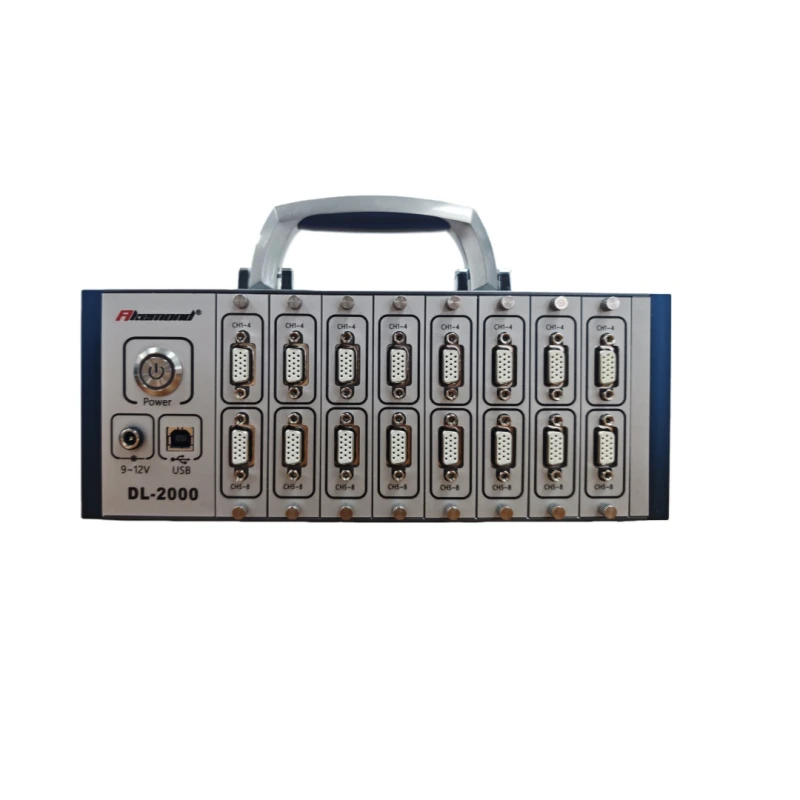
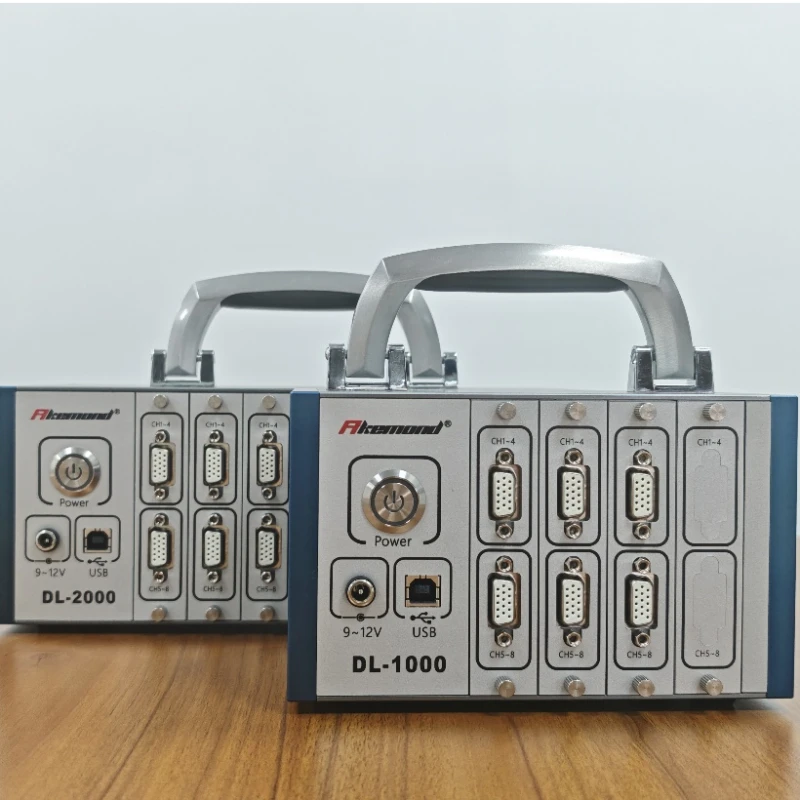
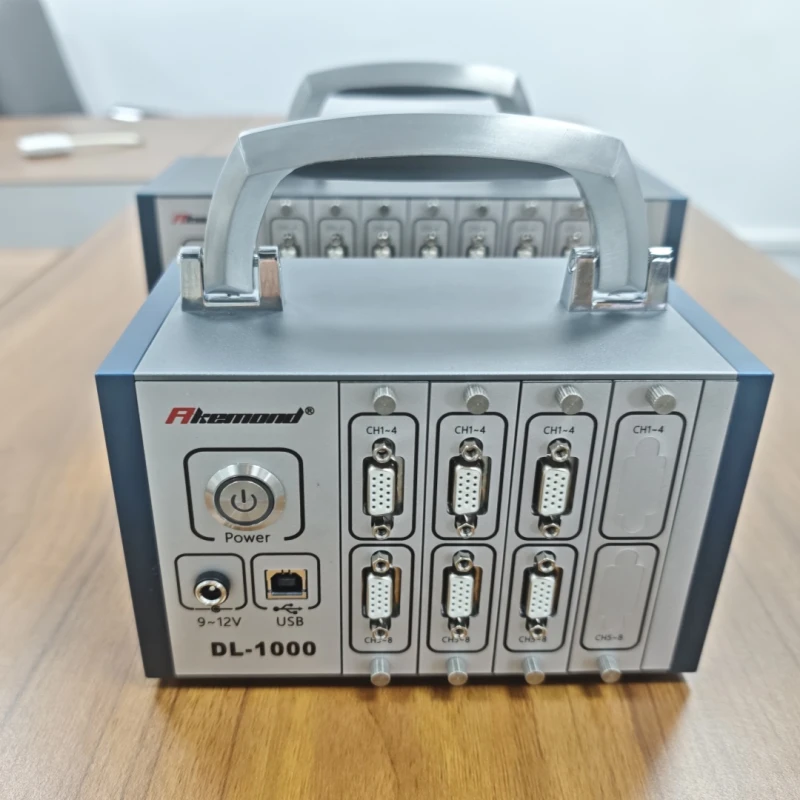
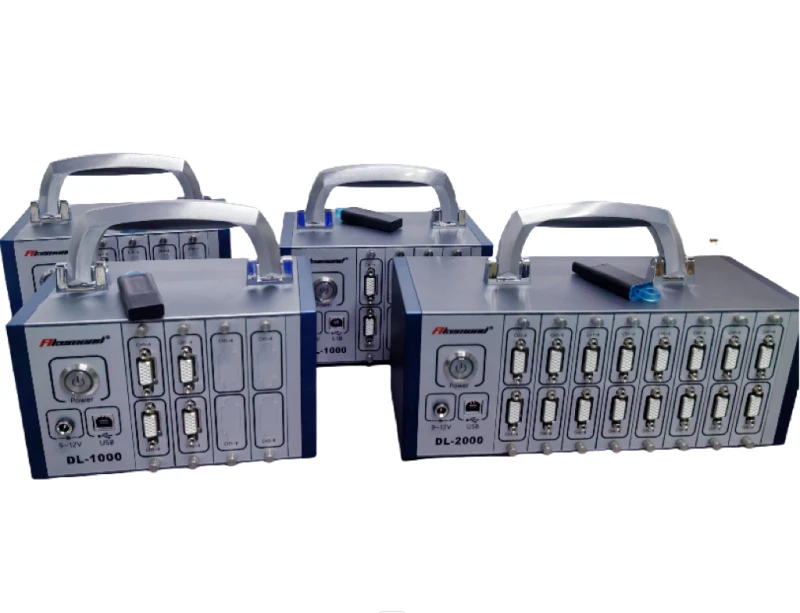
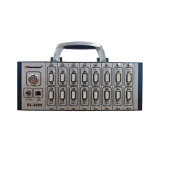
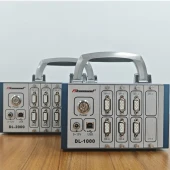
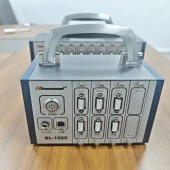
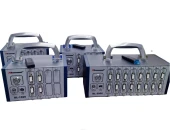
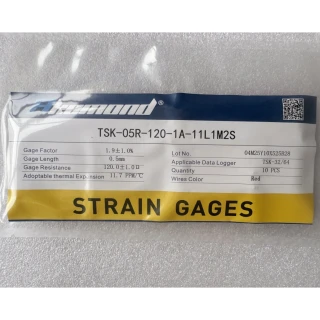
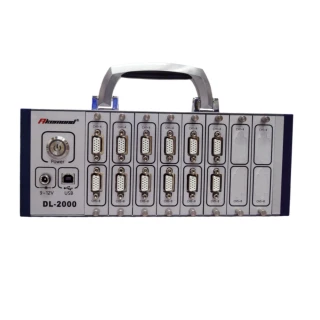
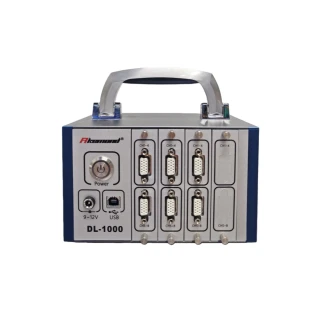
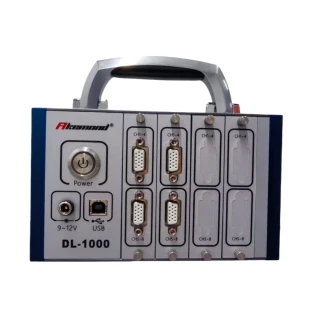
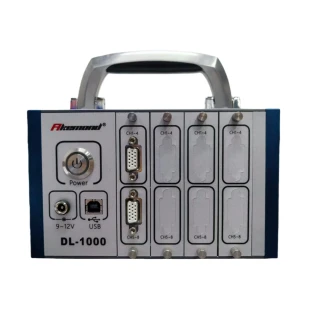
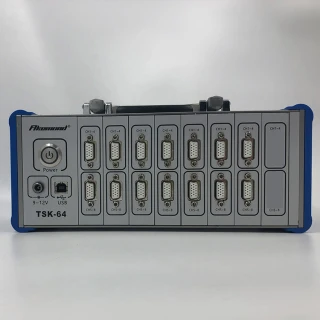
Akemond DL-2000-64C-12 PCB Stress Analyzer Data Recorder Competitive Price
Specifications
| Device Funtion: | Data Logger |
|---|---|
| Measurement Range: | -55500 – 55500 uE |
| Accuracy: | -0.3 – 0.3 % |
| Stability: | 6 ppm/degC |
| Sampling Frequency: | 10 KHz (per channel) |
| Operational Temperature Range: | -40 – 70 degC |
| Max Channel: | 64 |
| Current Channel: | 64 |
| Impedance: | 120 Ohm |
Got questions about specs? Use the inquiry form to ask.
 Download Data Sheet

Features
- Comprehensive PCBA Strain Measurement Solution: Our instruments provide a complete solution for measuring strain on printed circuit board assemblies (PCBAs), ensuring reliability and performance.
- Industry Standard Compliance: Adheres to IPC/JEDEC-9704A guidelines, the industry benchmark for printed circuit assembly strain gage testing, ensuring your processes meet global standards.
- Wide Range of Applications: Ideal for use in SMT assembly, panel cutting, manual operations, rework and repair processes, connector installation, PCB testing, and mechanical assembly.
- Prevention of Common Failures: Identifies potential issues such as cracked solder balls, circuit damage, warped pads, and substrate cracks, preventing costly failures and ensuring product integrity.
- Cost-Effective Problem Solving: Early detection of strain-related issues can save significant costs, following the 1-10-100 rule: $1 during design, $10 during manufacturing, and $100 during production.
- Enhanced Reliability Testing: Provides systematic steps to perform PCBA strain testing, helping identify defective assembly and test processes to improve product reliability.
- Support for Lead-Free Materials: Addresses challenges associated with lead-free PCB laminate materials and increased interconnect density, reducing damage from warpage.
- Proactive Quality Control: Enables manufacturers to monitor and control mechanical stresses effectively, reducing defective products and enhancing customer satisfaction.
Applications
- Typical Processing Needs Strain Measurement:
- SMT Assembly
- Panel Cutting
- Manual Operation
- All Rework and Repair Process
- Connector Installation
- PCB Testing
- ICT, FCT, or Equivalent Functional Test
- Mechanical Assembly:
- Heat Sink Assembly
- PCI or Daughterboard Installation
- DIMM (Dual In-line Memory Module) Installation
- Common Modes of Failure Due to Mechanical Stress:
- Cracked Solder Balls
- Circuit Damage
- Warped Pads
- Cracked Substrates
- Capacitor Y-cracks and 45° Cracks
- PCBA Strain Gage Test Guideline:
- Issued by IPC and JEDEC in 2005
- Revised Version A in 2012
- Identify Defective Assembly and Test Processing
- Provide Systematic Steps to Perform PCBA Strain Testing
- Measurement Purpose:
- Solder Joints are Sensitive to Strain
- Lead-Free PCB Laminate Materials Increase Warpage Damage
- Incomplete Cracking May Not Cause Instant PCBA Failure
- Monitoring and Controlling Mechanical Stresses Reduces Defective Products
Frequently Asked Questions
What is the purpose of PCBA strain measurement?
What are some common modes of failure due to mechanical stress in PCBA?
What is the IPC/JEDEC-9704A guideline?
Why is strain gage testing important for PCBAs?
What is the cost implication of discovering a problem at different stages of PCBA production?
What are some typical processes that require strain measurement?
Which global manufacturers promote PCBA strain measurement standards?
Got more questions? Use the RFQ form to ask the supplier directly.
Similar Products
Need pricing for this product? Send a quick inquiry
Your inquiry has been received.
Create an account by adding a password
Why create an account?
- Auto-complete inquiry forms
- View and manage all your past messages
- Save products to your favorites
- Close your account anytime — no hassle