
Description
Supplier of Stress Testing Instruments
In the intricate world of electronics manufacturing, ensuring the reliability and durability of printed circuit board assemblies (PCBAs) is paramount. As a leading supplier of stress testing instruments, we provide comprehensive solutions for PCBA strain measurement, a critical aspect of maintaining the integrity of electronic components throughout their lifecycle.
PCBA Strain Measurement Background
During various stages of Surface Mount Technology (SMT), Dual In-line Package (DIP) assembly, and reliability testing, PCBAs are subjected to mechanical stresses that can lead to failure. Common failure modes include cracked solder balls, circuit damage, warped pads, and substrate cracks. These failures not only result in material losses but also incur significant costs in research and development, production, and troubleshooting efforts.
Industry Standards and Guidelines
Under the guidance of global technology leaders such as Intel, IBM, HP, and Apple, PCBA strain measurement has become standardized through IPC/JEDEC-9704A guidelines. These standards provide a systematic approach to identifying defective assemblies and testing processes, ensuring that manufacturers can effectively monitor and control mechanical stresses during production.
Purpose of Strain Gage Testing
Strain gage testing is essential because solder joints are particularly sensitive to mechanical stress. As the use of lead-free PCB materials and higher interconnect densities become more prevalent, the risk of damage due to warpage increases. Additionally, incomplete cracking may not immediately cause PCBA failure, making it undetectable through standard functional tests. By effectively monitoring and controlling mechanical stresses, manufacturers can significantly reduce the incidence of defective products reaching end customers.
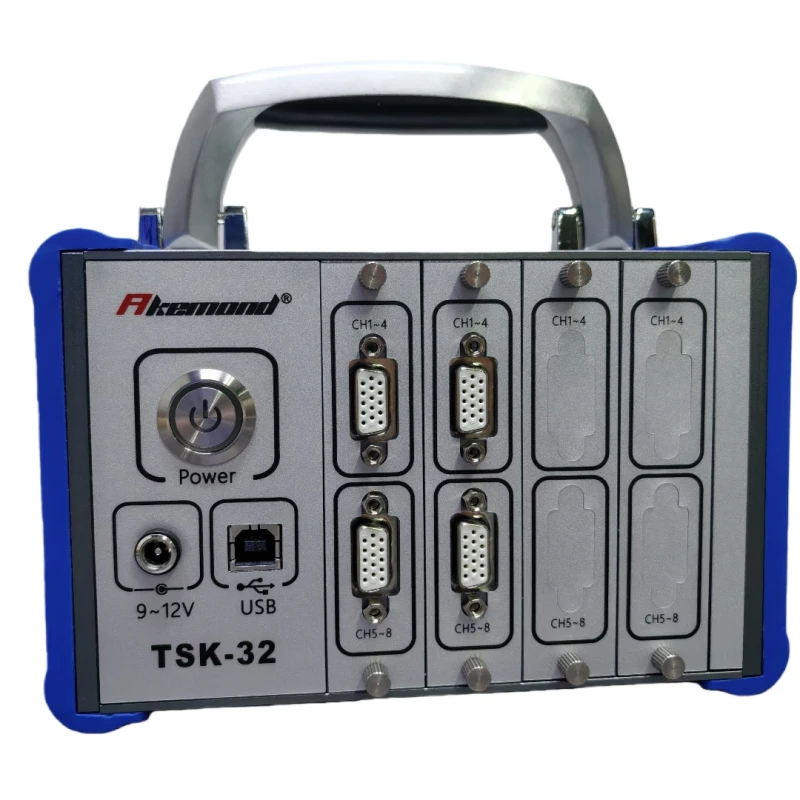
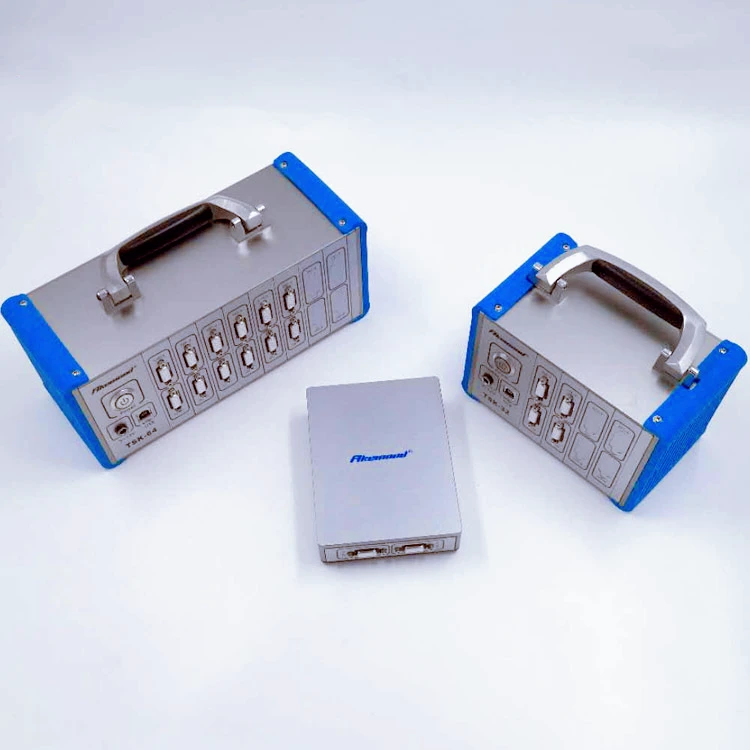
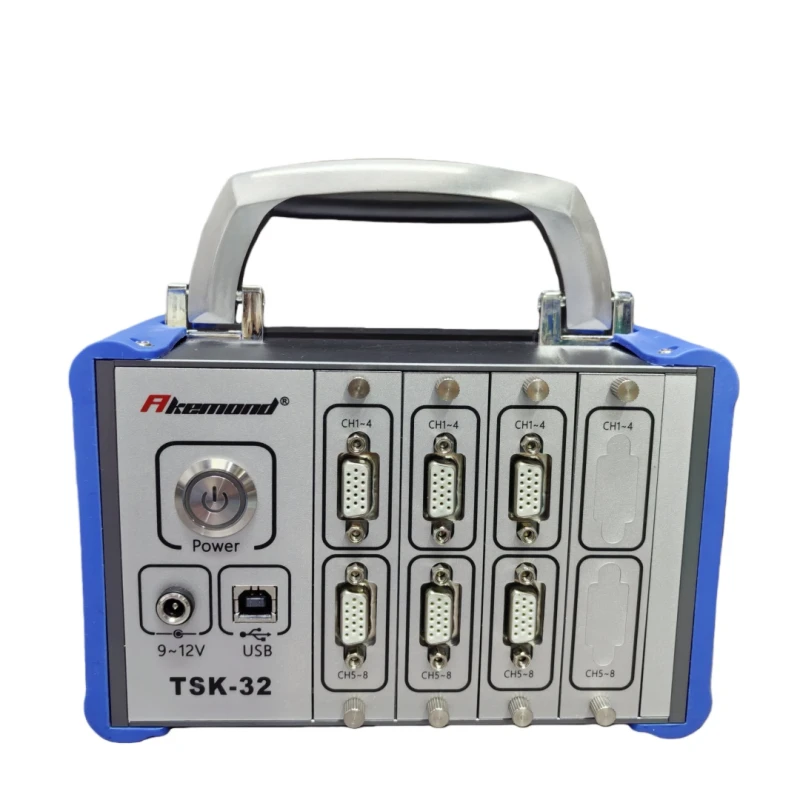
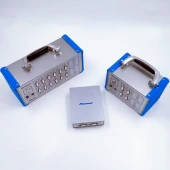
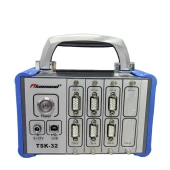
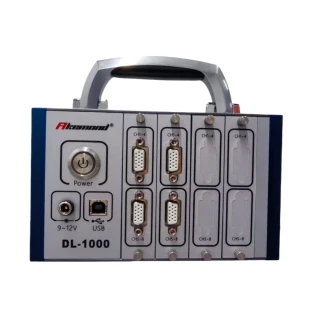
PCBA Strain Measurement Solution for Stress Testing Instruments TSK-32-16C-12
Specifications
| Device Funtion: | Data Logger |
|---|---|
| Measurement Range: | -55500 – 55500 uE |
| Accuracy: | -0.3 – 0.3 % |
| Stability: | 6 ppm/degC |
| Sampling Frequency: | 10 KHz (per channel) |
| Operational Temperature Range: | -40 – 70 degC |
| Model: | TSK-32-16C-12 |
| Max Channel: | 32 |
| Current Channel: | 16 |
| Impedance: | 120 Ohm |
Got questions about specs? Use the inquiry form to ask.
 Download Data Sheet

Features
- Comprehensive Strain Measurement Solution: Our product offers a complete solution for measuring strain on Printed Circuit Board Assemblies (PCBA), ensuring reliability and performance.
- Industry Standard Compliance: Adheres to IPC/JEDEC-9704A guidelines, the industry benchmark for PCBA strain gage testing, ensuring high-quality and standardized testing procedures.
- Wide Application Range: Suitable for various processes including SMT assembly, panel cutting, manual operations, rework and repair, connector installation, and PCB testing.
- Prevention of Common Failures: Helps identify and prevent common mechanical stress-induced failures such as cracked solder balls, circuit damage, and substrate cracks.
- Cost-Effective Testing: Early detection of strain issues can save significant costs, adhering to the 1-10-100 rule, where early design-phase solutions are far more economical.
- Enhanced Product Reliability: By monitoring and controlling mechanical stresses, manufacturers can reduce defective products, ensuring higher reliability for end customers.
- Adaptable to Modern Materials: Effective for lead-free PCB laminate materials and high interconnect density designs, addressing modern manufacturing challenges.
- Proven Track Record: Supported by global manufacturers like Intel, IBM, HP, and Apple, our solution is trusted and widely adopted in the industry.
Applications
- Typical Processing Needs Strain Measurement:
- SMT Assembly
- Panel Cutting
- Manual Operation
- All Rework and Repair Process
- Connector Installation
- PCB Testing
- ICT, FCT, or Equivalent Functional Test
- Mechanical Assembly:
- Heat Sink Assembly
- PCI or Daughterboard Installation
- DIMM (Dual In-line Memory Module) Installation
- Measurement Purpose:
- Solder Joints are Sensitive to Strain
- Lead-Free PCB Laminate Materials Increase Warpage Damage
- Incomplete Cracking May Not Cause Immediate Failure
- Reduce Defective Products by Monitoring Mechanical Stresses
Frequently Asked Questions
What is the purpose of PCBA strain measurement?
What are some common modes of failure due to mechanical stress in PCBAs?
What is the IPC/JEDEC-9704A guideline?
Why is strain gage testing important for solder joints?
How does the cost of addressing PCBA issues change over time?
What industries or companies promote the use of PCBA strain measurement standards?
What is the significance of the '1-10-100' rule in PCBA measurement?
Got more questions? Use the RFQ form to ask the supplier directly.
Similar Products
Need pricing for this product? Send a quick inquiry
Your inquiry has been received.
Create an account by adding a password
Why create an account?
- Auto-complete inquiry forms
- View and manage all your past messages
- Save products to your favorites
- Close your account anytime — no hassle