
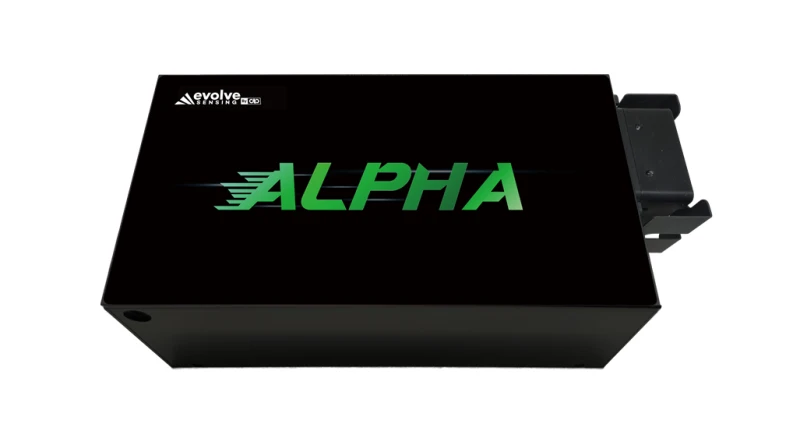
Description
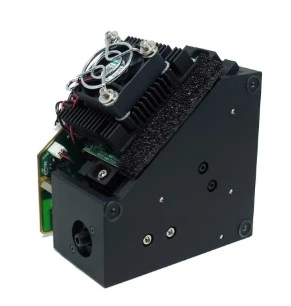
The Alpha (AL) Series spectrometers are designed for ultra-high-resolution OCT applications, delivering exceptional wavelength stability and sensitivity across the 820–860 nm region. Built around a fully transmissive grating and a proprietary lens design with patented alignment, the Alpha Series achieves 0.02 nm spectral resolution – ideal for eye, skin, biomedical, and metal-welding OCT systems. Using high-speed e2V Octoplus CMOS line-scan cameras operating up to 250 kHz, the Alpha provides rapid data acquisition, precise depth imaging, and stable long-term performance. With USB 3.0 or CameraLink interfaces, single-mode fiber input, and rugged mechanical construction, the Alpha Series supports both research-grade and OEM integration.
Alpha Ultra-High-Resolution OCT Series Spectrometer
Specifications
| Wavelength Range (reflectance): | 820 – 860 nm |
|---|---|
| Resolution: | 0.2 nm |
| Dimensions: | 267 × 135 × 79.8 mm (spectrometer only) |
| Detector Type: | CMOS line-scan camera (model dependent) |
| Cooling: | Uncooled (passive operation) |
| Interfaces: | USB 3.0 or CameraLink (model dependent) |
| Connector Type: | Single-mode fiber input (FC/PC or FC/APC) |
| A/D Converter Type: | 16-bit ADC |
| Weight (with Camera): | 2.3 kg |
| Operating Temperature: | 0 °C – 50 °C |
| Storage Temperature: | –30 °C – 70 °C |
| Environmental Limits: | 0 – 90 %, non-condensing |
Got questions about specs? Use the inquiry form to ask.
 Download Data Sheet

Features
- Ultra-High Spectral Resolution: Achieves exceptional 0.02 nm spectral resolution, enabling precise depth imaging for advanced OCT applications.
- Optimized for OCT: Engineered specifically for eye, skin, biomedical, and metal-welding OCT systems, ensuring maximum imaging performance and reliability.
- Wide Spectral Range: Covers the 820–860 nm region, ideal for a broad range of optical coherence tomography applications.
- High-Speed Data Acquisition: Utilizes e2V Octoplus CMOS line-scan cameras with selectable speeds of 20 kHz, 80 kHz, 130 kHz, or 250 kHz for rapid and flexible imaging.
- Proprietary Optical Design: Features a fully transmissive grating and patented lens alignment mechanism for superior wavelength stability and system integration.
- Deep Imaging Capability: Provides up to 8 mm imaging depth, supporting detailed structural analysis in various materials and tissues.
- Flexible Camera Interfaces: Offers both USB 3.0 and CameraLink connectivity options for seamless integration into research and OEM systems.
- Precision Fiber Input: Equipped with 5 μm single-mode fiber input (FC/PC or FC/APC) for optimal signal coupling and minimal loss.
- Rugged Mechanical Construction: Durable ceramic or organic camera housing ensures long-term stability and performance in demanding environments.
- Advanced Trigger and Synchronization: Supports external trigger and synchronization modes for precise timing and system coordination.
- Comprehensive Calibration Support: Includes wavelength alignment and system calibration routines to maintain measurement accuracy over time.
- High-Resolution 16-bit A/D Conversion: Delivers superior signal fidelity and dynamic range for detailed OCT imaging.
- Compact and Lightweight: Dimensions of 267 (L) × 135 (W) × 79.8 (H) mm (without camera) and total weight of 2.3 kg for easy integration into various setups.
- Wide Environmental Tolerance: Operates reliably from 0–50 °C and stores safely from –30–70 °C, with up to 90% non-condensing humidity tolerance.
- Multiple Model Options: Choose from AL1020, AL1080, AL1130, and AL1250 to match your required camera speed and application needs.
Applications
- Optical Coherence Tomography (OCT) for Ophthalmology
Enables ultra-high-resolution retinal and anterior segment imaging for early detection and monitoring of eye diseases such as glaucoma, diabetic retinopathy, and age-related macular degeneration. - Dermatological OCT Imaging
Provides non-invasive, high-resolution imaging of skin layers for diagnosis and monitoring of skin cancer, psoriasis, and other dermatological conditions. - Biomedical and Clinical Research
Facilitates advanced research in tissue engineering, cancer detection, and cellular imaging by delivering precise depth-resolved images of biological samples. - Intraoperative OCT for Surgical Guidance
Assists surgeons with real-time, high-resolution imaging during ophthalmic, dermatological, and microsurgical procedures, improving surgical outcomes. - Industrial OCT for Metal Welding Inspection
Enables non-destructive evaluation of weld seams, detection of subsurface defects, and quality assurance in metal welding processes. - Material Science and Thin Film Metrology
Supports precise thickness measurement and characterization of thin films, coatings, and layered materials in research and manufacturing environments. - Semiconductor Wafer Inspection
Provides high-resolution imaging for detecting micro-defects, layer thickness variations, and surface irregularities in semiconductor wafers. - Optical Component Testing and Characterization
Used for spectral analysis and quality control of optical fibers, lenses, and other photonic components. - Non-Destructive Testing (NDT) in Aerospace and Automotive Industries
Delivers detailed subsurface imaging for identifying material defects, delamination, and structural inconsistencies in critical components. - Life Sciences and Preclinical Imaging
Enables high-resolution imaging of small animal models, organoids, and tissue samples for biomedical research and drug development. - OEM Integration for Custom OCT Systems
Ideal for integration into custom-built OCT systems for specialized applications in medical devices, industrial inspection, and scientific instrumentation. - Academic and Educational Use
Supports teaching and demonstration of advanced optical imaging techniques in university laboratories and research institutions.
Frequently Asked Questions
What is the spectral resolution of the Alpha Series spectrometers?
What applications are the Alpha Series spectrometers optimized for?
What are the available camera speed options for the Alpha Series?
What is the imaging depth capability of the Alpha Series spectrometers?
What are the interface options available for connecting the Alpha Series spectrometers?
What is the operating temperature range for the Alpha Series spectrometers?
What is the weight and dimensions of the Alpha Series spectrometers?
Got more questions? Use the inquiry form to ask the supplier directly.
Similar Products
Your inquiry has been received.
Create an account by adding a password
Why create an account?
- Auto-complete inquiry forms
- View and manage all your past messages
- Save products to your favorites
- Close your account anytime — no hassle