

Description
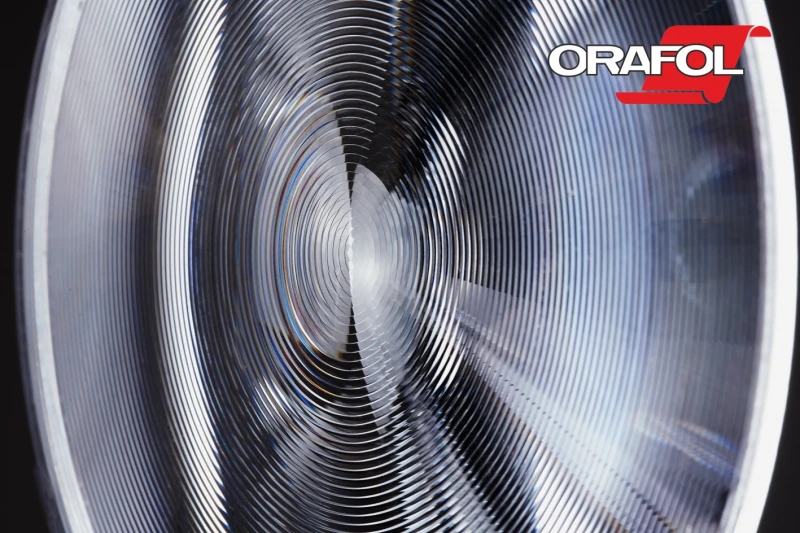
Our SC series lenses are crafted through advanced injection molding and compression molding technologies, insuring a superior surface quality and by that optical performance.
The unique design of our polymer Fresnel lenses not only ensures optimal optical performance but also offers significant advantages. Compared to traditional glass lenses our lenses provide substantial weight, space and cost reductions making them indispensable in lighting, sensor, and machine vision applications.
At ORAFOL Fresnel Optics we take pride in offering comprehensive solutions, from optical design and prototyping to tooling and high-volume production. Whether you choose one of our standard products or opt for a custom solution, including high-volume production, we are committed to meet your specific requirements.
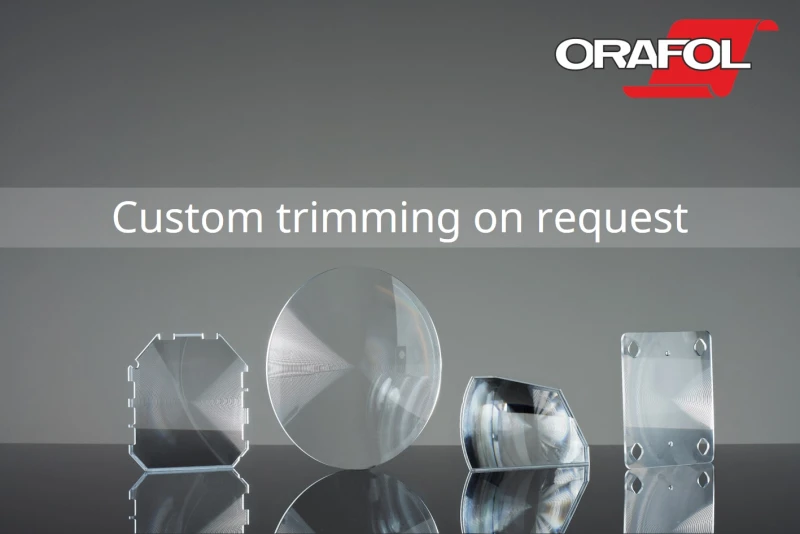
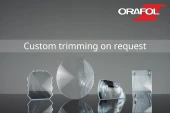
Customization options include precise trimming to desired shape, changing of thickness (>0.8 mm) and material (PMMA, Polycarbonate, silicone on glass), optical coating (reflective and anti-reflective coating of various kinds) and combination with other components (diffusive microstructures, microlens arrays) directly into the plano side of the lens. A completely new design of the microstructure specificly made for your application including tooling and prototyping is also possible. Contact us for details.
Positive Fresnel Lens SC 2135
Specifications
| Material: | PMMA Acrylic |
|---|---|
| Lens Type: | Non-Imaging - Spot, Positive |
| Focal Length: | 764 mm |
| Facet Spacing: | 0.508 mm |
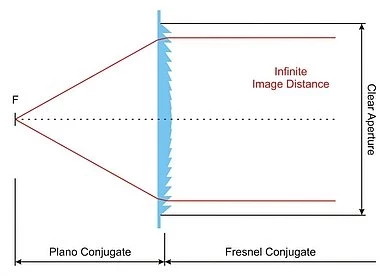
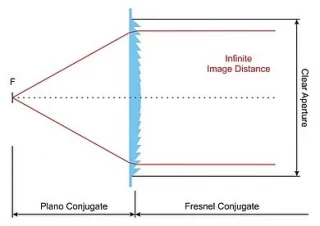
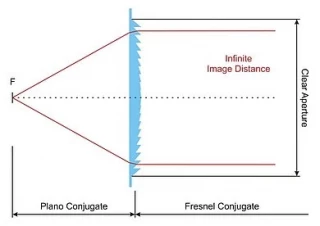
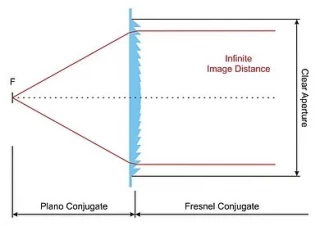
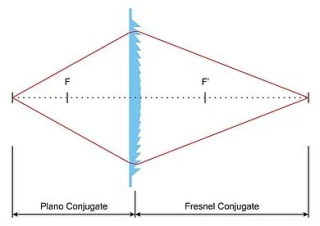
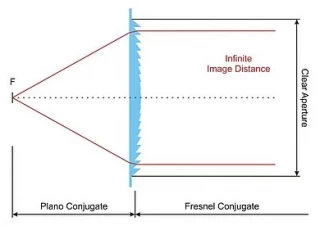
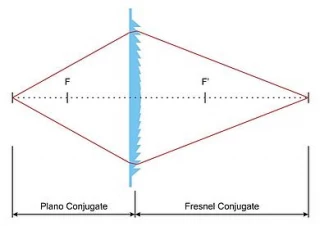
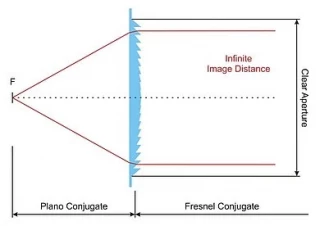
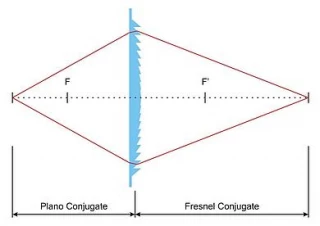
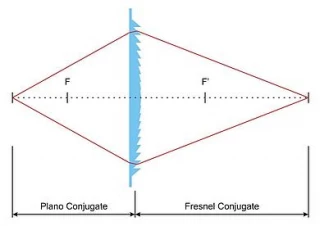
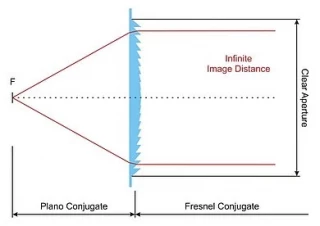
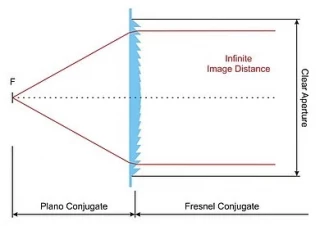
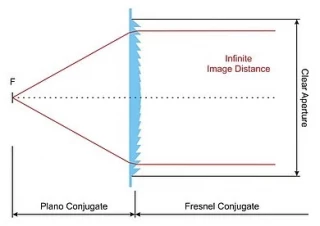
| Fresnel Conjugate: | Not Specified |
| Clear Aperture: | 437.3 mm |
| Thickness: | 1.8 mm |
Got questions about specs? Use the inquiry form to ask.
 Download Data Sheet

Features
- Lightweight, volume-efficient design
- High apertures and optically effective surfaces
- Cost-effective solutions for diverse applications
- Expertly crafted with cutting-edge technology
- Backed by ORAFOL Fresnel Optics' legacy of top-quality manufacturing
Applications
- Advanced lighting applications
- Optical sensor technology
- Machine vision systems
Frequently Asked Questions
What is the focal length range for these Fresnel lenses?
What is the standard material used for these lenses?
What is the typical thickness of these Fresnel lenses?
What is the range of facet spacing for these lenses?
Can these lenses handle specific wavelengths of light?
What is the clear aperture size of these lenses?
Can these lenses be customized?
How do I determine the number of lines per mm for a lens?
What is the tolerance level for focal lengths?
What environmental conditions can these lenses withstand?
Got more questions? Use the inquiry form to ask the supplier directly.
Similar Products
Your inquiry has been received.
Create an account by adding a password
Why create an account?
- Auto-complete inquiry forms
- View and manage all your past messages
- Save products to your favorites
- Close your account anytime — no hassle