
Description
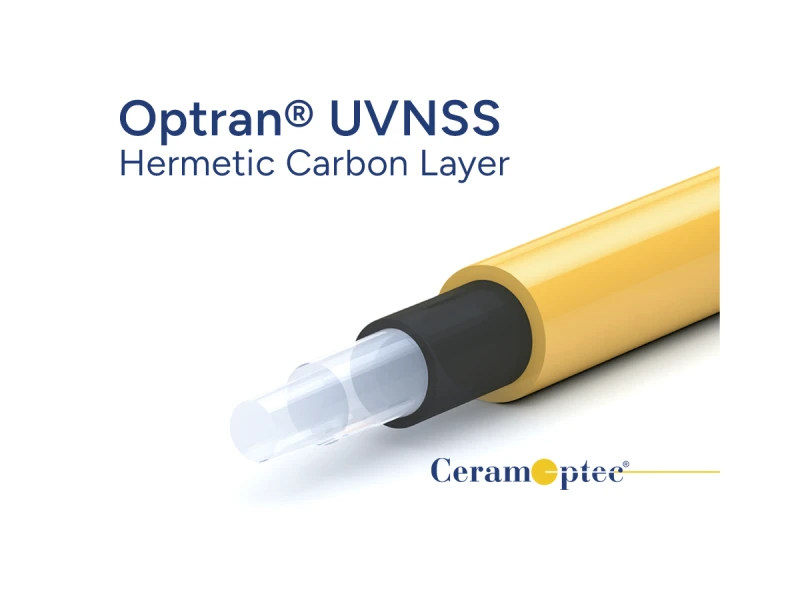
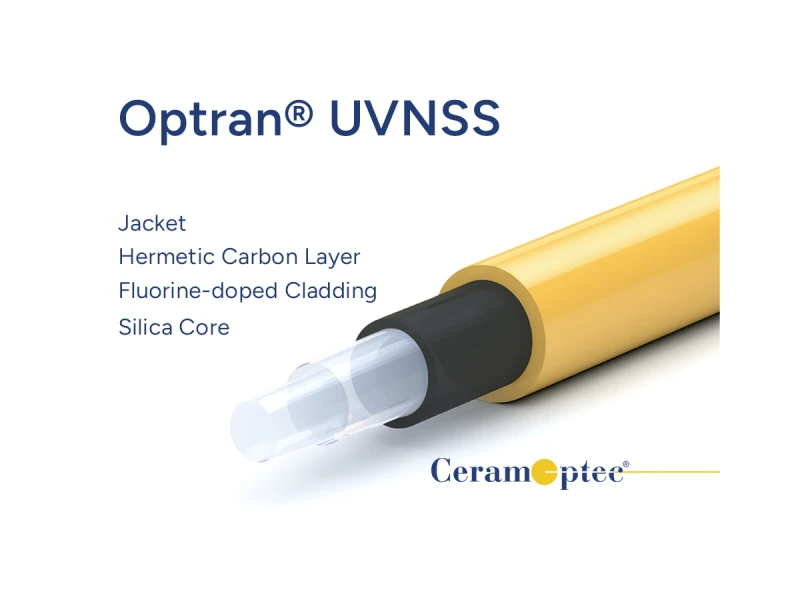
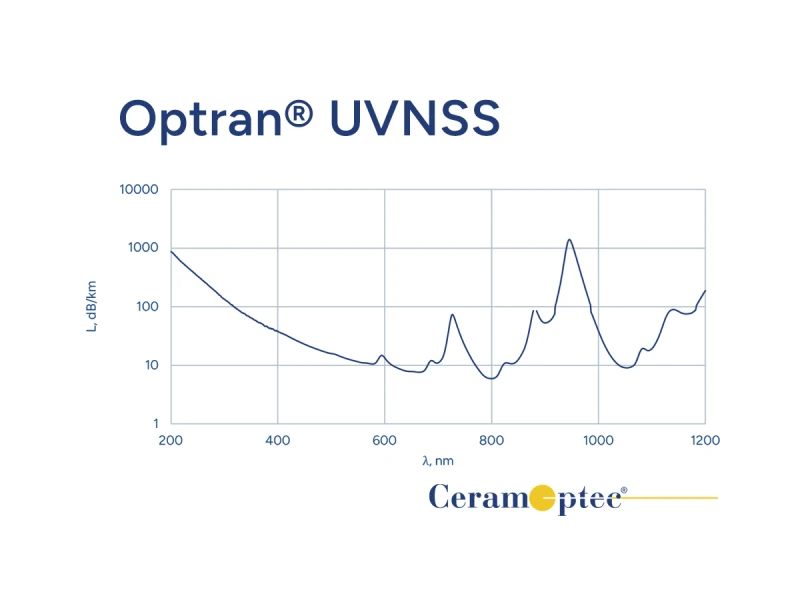
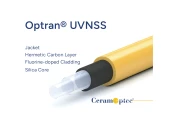
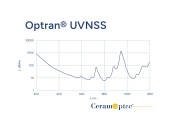
Optran® UVNSS optical fibers are multimode all-silica fibers with a fluorine-doped cladding, and an integrated hermetic carbon layer. The fiber is designed for stable light transmission in the UV-VIS range from 190 to 700 nm.
Compared to standard UV fiber types, UVNSS fibers with hermetic carbon layer are specifically stabilized to extend lifetime under harsh UV or gamma radiation. The carbon layer acts as a barrier against gaseous species and is applied between cladding and outer coating without altering the fundamental optical guidance mechanism.
The fiber is based on a high-OH silica composition, supporting transmission at shorter UV wavelengths. The stabilization process includes additional manufacturing steps and testing to ensure consistent performance under demanding environmental conditions.
Optran® UVNSS fibers are used in applications where long-term stability, resistance to solarization, and controlled transmission behavior in the UV range are required.
For extended spectral range towards VIS-NIR, see Optran® UVWFS fibers.
Optran® UVNSS – Solarization-Resistant High-OH Fiber (190–700 nm)
Specifications
| Wavelength Range: | 190 – 700 nm |
|---|---|
| Fiber Core Material: | Silica |
| Core Diameter: | 100–600 μm |
| Numerical Aperture (NA): | 0.12 ± 0.02 | 0.22 ± 0.02 | 0.28 ± 0.02 or customized |
| Operating Temperature: | -190 to +150°C |
| Standard Core / Cladding Ratios: | 1 : 1.06 | 1 : 1.1 | 1 : 1.2 | 1 : 1.4 or customized |
Got questions about specs? Use the inquiry form to ask.
 Download Data Sheet

Features
- Numerical Aperture (NA):
- Low: 0.12 ± 0.02
- Standard: 0.22 ± 0.02
- High: 0.28 ± 0.02
- Custom options available
- Operating Temperature: -190 to +150°C (hermetic layer stability limit)
- Core Diameter: 100 to 600 μm
- Standard Core/Cladding Ratios: 1:1.06, 1:1.1, 1:1.2, 1:1.4 or customized
- OH Content: High (> 700 ppm)
- Standard Prooftest: 70 kpsi (polyimide jacket)
- Minimum Bending Radius:
- 50 × cladding diameter (short-term mechanical stress)
- 300 × core diameter (during use with high laser power)
Applications
- Spectroscopy: Ideal for precise measurement and analysis of light spectra.
- Semiconductor Technology: Suitable for use in semiconductor manufacturing and processing.
- Laser Delivery Systems: Efficiently transmits laser light for various applications.
- High Solarization Resistance: Maintains performance under prolonged UV exposure.
- Custom Applications: Versatile for a wide range of custom optical fiber needs.
Frequently Asked Questions
What is the function of the hermetic carbon layer?
How does Optran® UVNSS differ from Optran® UVNS?
Does the carbon layer affect optical transmission?
When should Optran® UVNSS be selected?
Does Optran® UVNSS eliminate UV-induced degradation completely?
What happens if the fiber is exposed to elevated temperatures?
Got more questions? Use the inquiry form to ask the supplier directly.
Similar Products
Your inquiry has been received.
Create an account by adding a password
Why create an account?
- Auto-complete inquiry forms
- View and manage all your past messages
- Save products to your favorites
- Close your account anytime — no hassle