
Description
Universal connectors provide a versatile and essential solution for seamlessly mating patchcords with different connector types. In modern fiber optic networks and laboratory environments, equipment and components often originate from various manufacturers, each employing their own connector standards. Universal connectors bridge this gap, enabling reliable and efficient interconnection without the need for custom patchcords or time-consuming re-termination processes.
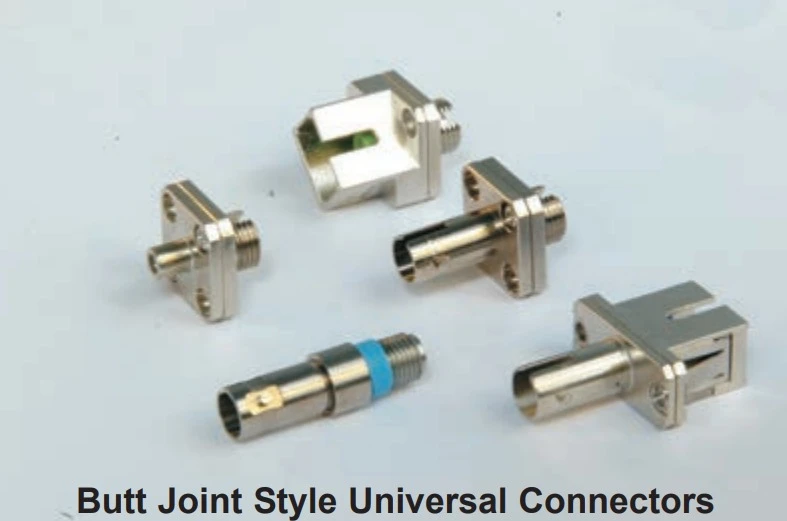
The most common type, butt joint style universal connectors, feature distinct female receptacles on either end, allowing direct insertion of patchcords. The fiber ends are precisely aligned and butted together within the connector, ensuring minimal signal loss and stable performance. These connectors are compatible with singlemode, multimode, and polarization maintaining fibers, and support both PC and APC finishes for optimal versatility. Popular configurations include FC to SC, FC to ST, ST to SC, ST to SMA905, and ST to SMA906, as well as universal ferrule adaptors for 2.5mm and 1.25mm ferrule diameters. Such adaptability makes them ideal for temporary setups, quick measurements, and environments where connector types frequently vary.
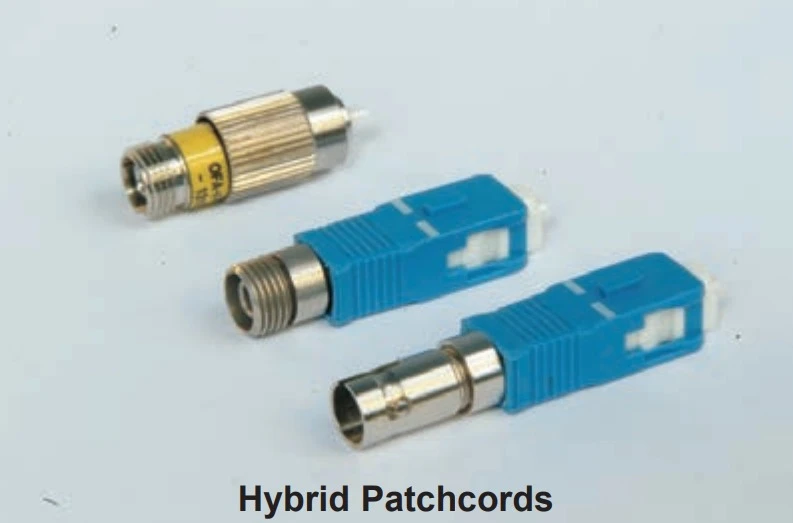
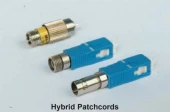
For more specialized applications, hybrid patchcords offer a unique approach by combining a female receptacle on one side and a male connector on the other, with a short internal fiber segment transmitting the optical signal. This design allows for rapid conversion between connector types, streamlining workflow and reducing downtime. Male-to-male hybrid patchcords further expand the range of possible connections, catering to diverse system requirements.
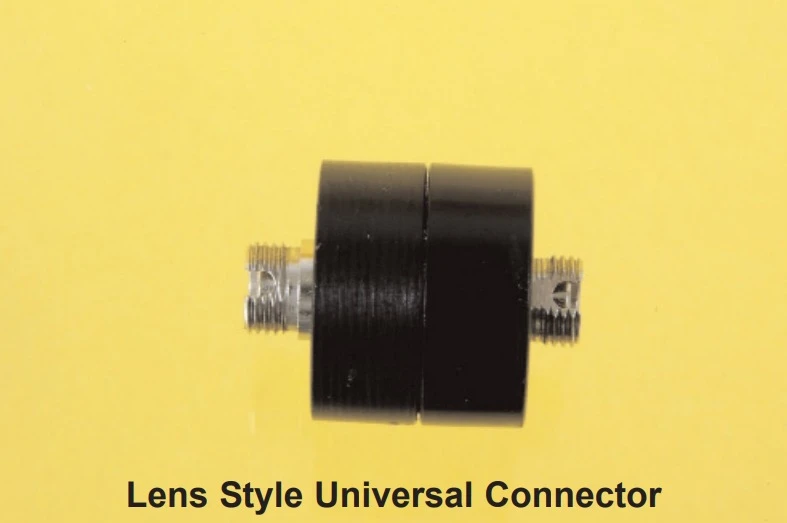
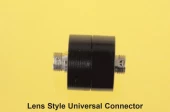
Lens style universal connectors represent the pinnacle of flexibility, especially when interfacing fibers with differing optical properties. These connectors incorporate precision collimating and focusing lenses, ensuring optimal light transfer between fibers with varying core sizes, numerical apertures, or even unique geometries such as D-shaped polarization maintaining fibers. The patented alignment mechanism allows for fine tilt adjustment, compensating for core-to-housing offsets and ensuring low insertion loss. By selecting appropriate focal lengths, users can tailor the spot size to match the output fiber, facilitating efficient coupling between disparate fiber types.
Overall, universal connectors are indispensable tools for fiber optic professionals, offering a cost-effective, reliable, and flexible means to connect a wide variety of patchcords and fiber types. Their robust design and adaptability make them a preferred choice for laboratories, test environments, and field installations where connector compatibility and optical performance are paramount.
Universal Connectors and Hybrid Patchcords
Specifications
| Connector Type (Side A / Side B): | FC/PC - FC/PC, FC/APC - FC/APC, FC/PC - SC/PC, FC/APC - SC/APC, SC/PC - SC/PC, LC/PC - LC/PC, LC/APC - LC/APC, SMA - SMA, ST - ST, Hybrid (FC to LC) |
|---|---|
| Fiber Type Compatibility: | Single-mode, Multimode, Polarization-maintaining |
| Adapter Gender: | Male-Male, Female-Female, Male-Female |
| Connector Types Supported: | FC to SC, FC to ST, ST to SC, ST to SMA905, ST to SMA906 |
| Connector Styles: | Butt Joint Style, Universal Ferrule Adaptor Design, Lens Style |
| Butt Joint Style Connectors: | Female FC receptacle to 1.25mm universal adaptor and others |
| Hybrid Patchcords: | Male connector input and female receptacle output |
| Lens Style Universal Connectors: | Input receptacle, collimating lens, focusing lens, and output receptacle |
| Fiber Compatibility: | Singlemode fibers for telecom applications |
Got questions about specs? Use the inquiry form to ask.
 Download Data Sheet

Features
- Versatile Connector Compatibility: Seamlessly mates patchcords with different connector types, including FC, SC, ST, SMA905, and SMA906, ensuring interoperability between components from various suppliers.
- Multiple Connector Styles: Available in butt joint, hybrid, and advanced lens-style variations to suit a wide range of fiber optic connection needs.
- Butt Joint Universal Connectors: Feature different female receptacles on each side for quick, reliable, and cost-effective connections between singlemode, multimode, or polarization-maintaining patchcords with matching PC or APC finishes.
- Universal Ferrule Adaptor Design: Supports connectors with 2.5mm or 1.25mm diameter ferrules, providing added flexibility for temporary measurements and diverse connector types.
- Hybrid Patchcord Options: Includes female-to-male and male-to-male hybrid patchcords, enabling rapid conversion between connector types with minimal downtime.
- Advanced Lens-Style Universal Connectors: Incorporate collimating and focusing lenses for precise alignment and optimal coupling between fibers with different optical characteristics, such as varying numerical apertures and core sizes.
- Patented Alignment Technology: Utilizes OZ Optics’ patented alignment technique for superior core-to-core alignment, minimizing insertion loss and maximizing performance.
- Tilt Adjustable for Custom Applications: Lens-style connectors are tilt adjustable, allowing compensation for fiber core offsets and supporting specialty fibers, including D-shaped and polarization-maintaining fibers.
- Bidirectional Low-Loss Operation: Designed for efficient light transmission in both directions, ensuring low insertion loss and high reliability in demanding applications.
- Ideal for Diverse Applications: Suitable for telecom, laboratory, test and measurement, and R&D environments where flexibility and connector compatibility are essential.
- Robust Construction: Engineered for durability and repeatability, supporting frequent connections and disconnections without performance degradation.
- Customizable Solutions: Options available for standard and specialized fiber types, including singlemode, multimode, and polarization-maintaining fibers.
Applications
- Fiber Optic Network Integration: Seamlessly connect patchcords with different connector types (e.g., FC, SC, ST, SMA905, SMA906) in telecom and data communication networks.
- Test and Measurement Setups: Quickly adapt test equipment to various fiber optic patchcords during laboratory and field measurements, ensuring compatibility across devices from different manufacturers.
- Telecommunications Infrastructure: Enable flexible connections between singlemode, multimode, or polarization maintaining fibers in central offices, data centers, and network backbones.
- Fiber Optic Component Evaluation: Facilitate the testing and characterization of new fiber optic components or modules with non-matching connectors.
- Temporary Fiber Connections: Provide reliable, temporary connections for troubleshooting, maintenance, or network upgrades without the need for custom patchcords.
- Hybrid Fiber Networks: Bridge connections between legacy and modern fiber optic systems that use different connector standards.
- Optical Device Prototyping: Support rapid prototyping and development of optical devices by allowing flexible interconnection of fibers with varying terminations and optical properties.
- Laboratory Research: Enable researchers to connect specialty fibers (e.g., D-shaped, high NA, or polarization maintaining fibers) for experimental setups and advanced optical studies.
- Educational Demonstrations: Allow educational institutions to demonstrate fiber optic principles using a variety of connector types and fiber characteristics.
- Connector Type Conversion: Instantly convert between male and female connector types, or between different ferrule diameters (2.5mm, 1.25mm), for maximum flexibility in fiber optic systems.
- Low-Loss Fiber Coupling: Achieve precise, low-loss coupling between fibers with different core sizes, numerical apertures, or optical characteristics using lens style universal connectors.
- Field Deployments: Simplify field installations and repairs by enabling quick adaptation to available patchcords and connectors, reducing downtime and inventory requirements.
- Optical Sensing Systems: Integrate sensors and instrumentation with diverse connector types into a unified fiber optic network.
- Medical and Industrial Applications: Connect specialized fibers used in medical imaging, laser delivery, or industrial sensing, regardless of connector differences.
- Upgrading and Expanding Networks: Effortlessly add new equipment or upgrade existing infrastructure without replacing entire patchcord assemblies.
Frequently Asked Questions
What are universal fiber optic connectors and what are they used for?
What types of universal connectors are available and how do they differ?
Which connector formats are supported by these universal connectors?
Can universal connectors be used with both singlemode and multimode fibers?
What are the advantages of lens style universal connectors?
Are universal connectors suitable for temporary or permanent connections?
How do I choose the right universal connector for my application?
Got more questions? Use the inquiry form to ask the supplier directly.
Similar Products
Your inquiry has been received.
Create an account by adding a password
Why create an account?
- Auto-complete inquiry forms
- View and manage all your past messages
- Save products to your favorites
- Close your account anytime — no hassle