


Description
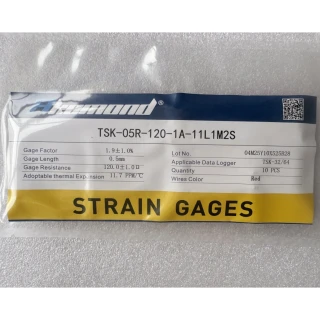
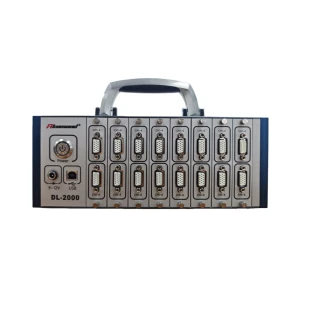
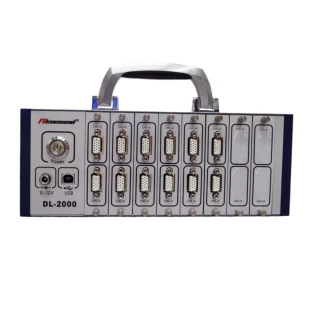
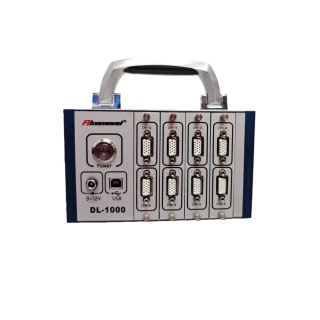
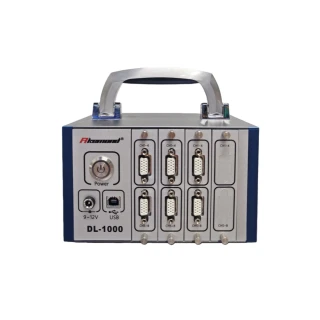
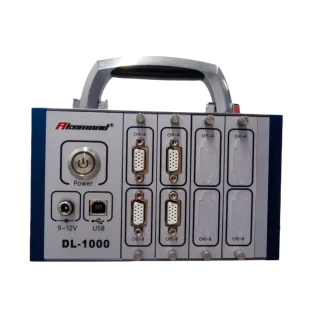
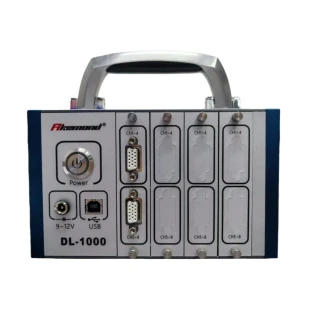
Akemond TSK Series PCB Strain Measurement System
Akemond Strain measurements is a designed for PCB board test and special tailor-made test system, the system provides many more stable hardware and powerful analysis software, and provides a user-friendly interface, to be able to significantly improve your test efficiency and product quality.
- Compact and light weight
- Card expansion channel
- Software filtering function
- Connect to strain gauge directly
- Available for 120 and 350 ohms in puts
- Easily connect to PC via Hi-Speed USB port
- All channels acquire strain signal simultaneously
- High speed sampling rate up to 10kHZ per channel
- User-friendly software with One-touch report generation function
Veshay Akemond PCB Data Loggers TSK-64-64C PCB Stress Measuring System
Specifications
| Device Funtion: | Data Logger |
|---|---|
| Measurement Range: | -55500 – 55500 uE |
| Accuracy: | -0.3 – 0.3 % |
| Stability: | 6 ppm/degC |
| Sampling Frequency: | 10 KHz (per channel) |
| Operational Temperature Range: | -40 – 70 degC |
| Channels: | 8-channel strain signal input |
| Maximum Capacity Module: | 64 |
| Sampling Frequency: | Max10KHZ/per channel |
| AD Converter Resolution: | 24bits |
| Wheatstone Bridge Type: | 1/4 bridge |
| Supports Strain Gauge Sensors: | 120Ohms/350ohmss |
| Nonlinear: | ±0.1%FS or less |
| Measurement Objects: | Strain gauges |
| Measurement Range: | 士55500uE |
| Accuracy: | 士0.3% |
| Sampling Frequency: | Simultaneous sampling of all Channel |
| Operation Temperature: | -40℃℃ to 70℃ |
Got questions about specs? Use the inquiry form to ask.
 Download Data Sheet

Features
- In accordance IPC-JEDEC 9704
- Light and easy to carry, impact resistance, more convenience for the users in different situation
- 120 and 350 ohm bridge circuit is directly connected with strain gauge
- High speed USB interface, 100% synchronous measurement of strain signal
- 50000Hz ultra high speed sampling rate and the resolution of the 24bits
- Single - report output function, greatly enhance the work efficiency
- English, Simplified, Traditional Operation Language
- Professional Diagonal Strain, Max/Min Principal Strain, Strain Rate analysis.
Applications
Strain testing allows objective analysis of the strain and strain rate levels that a SMT package is subjected to during PWB assembly, test and operation.
The PCB Strain Measurement System is special design for printed wiring board strain testing application, The real-time data provided by the Veshay system avoid the risk such failures include solder ball cracking, trace damage, pad lifting and substrate cracking during board manufacturing and test processes.
Frequently Asked Questions
What is the purpose of PCBA strain measurement?
What are some common modes of failure due to mechanical stress in PCBAs?
What is the significance of the IPC/JEDEC-9704A guideline?
Why is strain gage testing important for solder joints?
How does the cost of addressing PCBA issues change over time?
What are some applications of PCBA strain measurement?
How has the adoption of strain measurement standards been promoted?
Got more questions? Use the inquiry form to ask the supplier directly.
Similar Products
Your inquiry has been received.
Create an account by adding a password
Why create an account?
- Auto-complete inquiry forms
- View and manage all your past messages
- Save products to your favorites
- Close your account anytime — no hassle