


Description
Used mostly for their very high hardness, sapphire optics are also used for their good transmission from UV to NIR.
Due to the increase of actors in the sector, sapphire components prices decreased a lot in recent years, don\'t hesitate to challenge your current supply.
https://sinoptix.fr/sapphire/
Sapphire Optics
Specifications
| Substrate Material: | Sapphire |
|---|---|
| Diameter (or Largest Dimension): | 350 mm |
| Thickness: | 5 mm |
| Antireflection Coating: | Coated, Uncoated |
| Surface Quality (Scratch-Dig): | 10-5, 20-10, 40-20, 60-40, 80-50, Unspecified |
| Surface Flatness: | <= Lambda/20, <= Lambda/10, <= Lambda/8, <= Lambda/6, <= Lambda/4, <= Lambda/2, <= Lambda, <= Lambda/40, Other, Unspecified |
| Mohs Hardness: | 9 |
| UV Transmission: | good |
| NIR Transmission: | good |
Got questions about specs? Use the inquiry form to ask.
 Download Data Sheet

Features
- High hardness
- Transmission from UV to NIR
- Custom components in all sizes.
Applications
- Security
- Appliances
- Electronics
- Aeronautics/Defense
- Research
Frequently Asked Questions
Have sapphire component prices decreased in recent years?
Yes, due to the increase of actors in the sector, sapphire component prices have decreased a lot in recent years.
What applications are sapphire optics suitable for?
Sapphire optics are suitable for a range of applications including security, appliances, electronics, aeronautics/defense, and research.
What are sapphire optics used for?
Sapphire optics are mostly used for their high hardness and good transmission from UV to NIR.
What are the features of sapphire optics?
The features of sapphire optics include high hardness, transmission from UV to NIR, and custom components in all sizes.
Where can I find more information about sapphire optics?
You can find more information about sapphire optics in the datasheet provided on the Sinoptix website.
Got more questions? Use the inquiry form to ask the supplier directly.
Similar Products
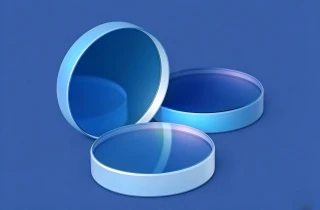
Tempotec Optical Windows for Precision Applications
Tempotec Optics Co., Ltd.
PP-UVFS-25.4-6.35-AR43-AR43 UVFS Fused Silica Laser Window 25.4mm
Optoman
PP-UVFS-25.4-6.35-2AR40 UVFS Laser Window 25.4mm
Optoman
PP-UVFS-12.7-2.0-AR636-AR636 UVFS Laser Window 12.7mm
Optoman
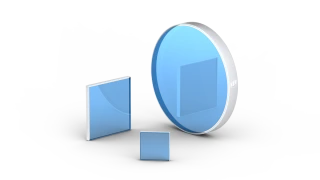
PP-UVFS-25.4-3.0-AR772-AR772 UVFS Laser Window 25.4mm
Optoman
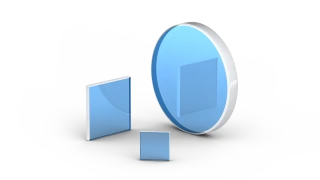
PP-UVFS-25.4-3.0-AR875-AR875 257 nm UV Fused Silica Laser Window
Optoman
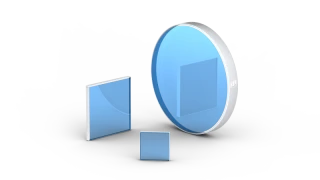
PP-Al2O3-60.0-5.0-AR1004-AR1004 308 nm UV Sapphire Laser Window
Optoman
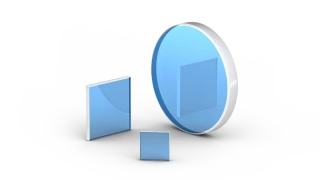
PP-UVFS-16.0-2.0-AR1045-AR1045 UVFS Laser Optical Window 16 mm
Optoman
PP-UVFS-12.7-3.0-AR483-AR483 12.7mm UV Fused Silica Ultrafast Laser Window 515nm
Optoman
PP-UVFS-25.4-6.35-AR865-AR865 1030 nm Ultrafast Laser Window
Optoman
PP-UVFS-25.4-6.35-AR909-AR909 1064 nm High-Power UV Fused Silica Window
Optoman
PP-UVFS-25.4-6.35-AR784-AR784 25.4mm 515nm UVFS Optical Window
Optoman
Thank You!
Your inquiry has been received.
Create an account by adding a password
Why create an account?
- Auto-complete inquiry forms
- View and manage all your past messages
- Save products to your favorites
- Close your account anytime — no hassle