
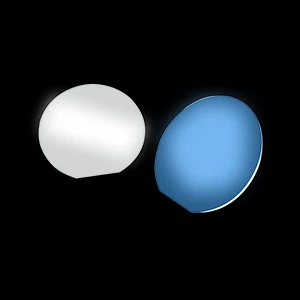
Description
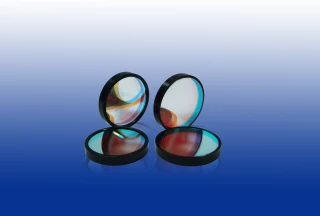
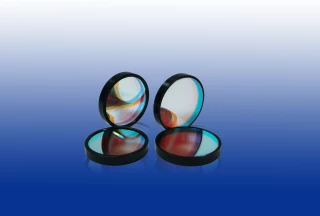
UM Optics Silicon Narrow Bandpass Filter is a high-performance optical component engineered for precise wavelength selection in infrared (IR) applications. Crafted from high-purity monocrystalline silicon, this filter delivers exceptional transmission within a tightly defined wavelength range (customizable per your specifications, typically 1–5 µm for silicon-based designs) while effectively blocking out-of-band radiation.Designed to withstand harsh operating environments, it features a robust, scratch-resistant coating that ensures long-term stability—even in high-temperature, high-humidity, or vacuum conditions. Unlike conventional filters, its silicon substrate offers superior compatibility with IR detection systems, making it ideal for demanding industrial, scientific, and aerospace tasks where accuracy and reliability are non-negotiable. Whether integrated into spectroscopy setups, thermal imaging devices, or laser systems, this filter consistently minimizes signal interference and enhances measurement precision, empowering your equipment to perform at its peak.
Hot Sales Infrared Silicon Narrow Bandpass Filter for Laser Wavelength Separation and Sensing Systems
Specifications
| Central Wavelength: | 4260 nm |
|---|---|
| Bandwidth (FWHM): | 90 nm |
| Peak Transmittance: | 80 % |
| Material: | Silicon |
| Diameter: | 101.6 mm |
| Blocking: | 1.5-10 um |
| Surface Quality: | 60-40, 40-20, or better |
Got questions about specs? Use the inquiry form to ask.
 Download Data Sheet

Features
-
Precise Bandpass Performance: Tightly controlled wavelength range (typical bandwidth: 10–100 nm) with >80% transmission in the passband and <0.1% rejection for out-of-band wavelengths
-
High-Purity Silicon Substrate: Excellent IR transmittance (1–5 µm range) and mechanical durability, resistant to thermal expansion and physical wear
-
Robust Coating Technology: Hard, anti-scratch optical coatings that maintain performance in extreme temperatures (-40°C to 120°C) and high-humidity environments
-
Customizable Specifications: Available in various sizes, bandwidths, and mounting options (e.g., threaded, unmounted) to match specific application requirements
-
Low Signal Interference: Minimizes crosstalk and background noise, improving the sensitivity and accuracy of IR detection systems
Applications
-
Spectroscopy: Used in FTIR (Fourier Transform Infrared) spectroscopy and gas analysis systems to isolate target wavelengths for chemical composition detection
-
Thermal Imaging: Integrated into thermal cameras for industrial inspection (e.g., electronics, machinery) or aerospace surveillance, enhancing image contrast by filtering ambient IR noise
-
Laser Systems: Acts as a wavelength selector in laser cutting, welding, or medical laser devices to ensure precise, targeted energy delivery
-
Environmental Monitoring: Deployed in atmospheric or water quality sensors to detect specific pollutants via their unique IR absorption spectra
-
Defense & Aerospace: Utilized in missile guidance systems or satellite-borne sensors to filter unwanted radiation and improve target detection accuracy
Frequently Asked Questions
What should be noted when integrating silicon narrow bandpass filters into optical systems?
Can silicon narrow bandpass filters be customized, and what parameters are customizable?
How to maintain and clean silicon narrow bandpass filters to avoid damage?
What are the key performance indicators affecting filter selection?
What are the temperature resistance limits of silicon narrow bandpass filters, and how to ensure stability in extreme environments?
Got more questions? Use the inquiry form to ask the supplier directly.
Similar Products
Your inquiry has been received.
Create an account by adding a password
Why create an account?
- Auto-complete inquiry forms
- View and manage all your past messages
- Save products to your favorites
- Close your account anytime — no hassle