

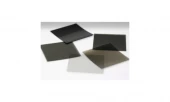
Description
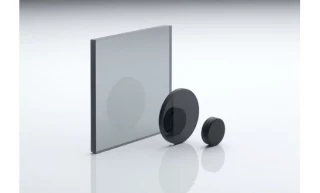
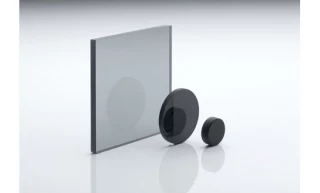
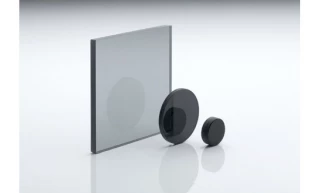
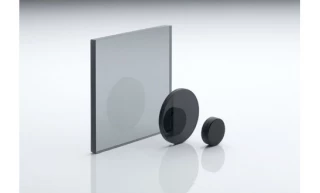
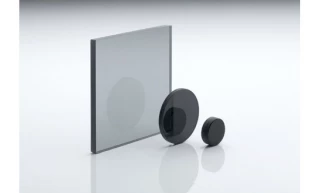
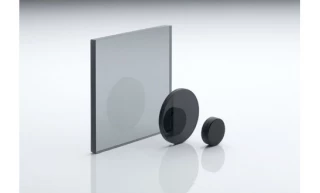
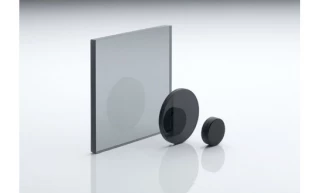
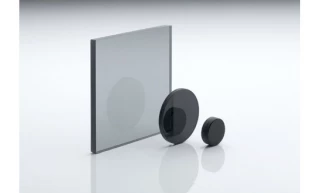
Neutral density filters attenuate light by a constant amount that is, to first order, independent of the wavelength. Gelatin ND filters are the cheapest but tend to have more fluctuation with wavelength and a narrower wavelength range than glass ND filters and metallic types. Gelatine neutral density filters work by absorption so care must be taken to avoid overheating which can lead to damage to the filter. Gelatine ND filters can also be cut easily to bespoke custom sizes in your own laboratory which can be extremely useful.
Wratten neutral density gelatin filters are now being replaced by Wratten 2 type filters which are manufactured using a ridged polymer. Wratten 2 filters are more robust and unaffected by water and moisture as gelatine type.
FNP3050 - Gelatine Neutral Density Filters
Specifications
| Attenuator Type: | Absorptive |
|---|---|
| Shape: | Square |
| Size: | 50 mm |
| Optical Density: | 3 |
Got questions about specs? Use the inquiry form to ask.
 Download Data Sheet

Features
- Large 300x100mm sheets available that can be cut to smaller shapes and sizes.
- Stock sheets can be cut with a razor or CNC machined to unusual shapes.
- Coating options from antireflective to anti-scratch.
- Mounting options.
Applications
Neutral density filters are used in applications such as spectroscopy, machine vision, ellipsometry and photography.
Frequently Asked Questions
What are the custom capabilities of neutral density filters?
What are gelatin ND filters?
How do gelatine neutral density filters work?
What are the applications of neutral density filters?
What is a neutral density filter?
Got more questions? Use the inquiry form to ask the supplier directly.
Similar Products

Your inquiry has been received.
Create an account by adding a password
Why create an account?
- Auto-complete inquiry forms
- View and manage all your past messages
- Save products to your favorites
- Close your account anytime — no hassle